Meta Description: Learn the necessary Rottweiler breeding tips, temper, and training information as well as health facts to have a happy life with this faithful companion.
Introduction:
Do you consider having a Rottweiler or do you have one? The breed is reknowned due to its strength, intelligence and loyalty and therefore a great companion to giving the dog to the experienced dog owners. Owning a Rottweiler however comes with its own responsibilities such as training and health care. Being a first-time dog parent or a long-standing fan, it is important to learn their needs to give your dog a happy and healthy life.
This paper will discuss all you need to know about Rottweilers- their temper, training needs and their health issues. At the close you will already possess the means and the knowledge to attend to your dog in a professional manner. Let’s dive in!
Understanding the Rottweiler Breed
Rottweilers are big and strong dogs with the history of working as a herding dog, guard dog, and even therapy dogs. They are powerful and protective companions, and at the same time they need appropriate training and care.
Rottweiler Appearance
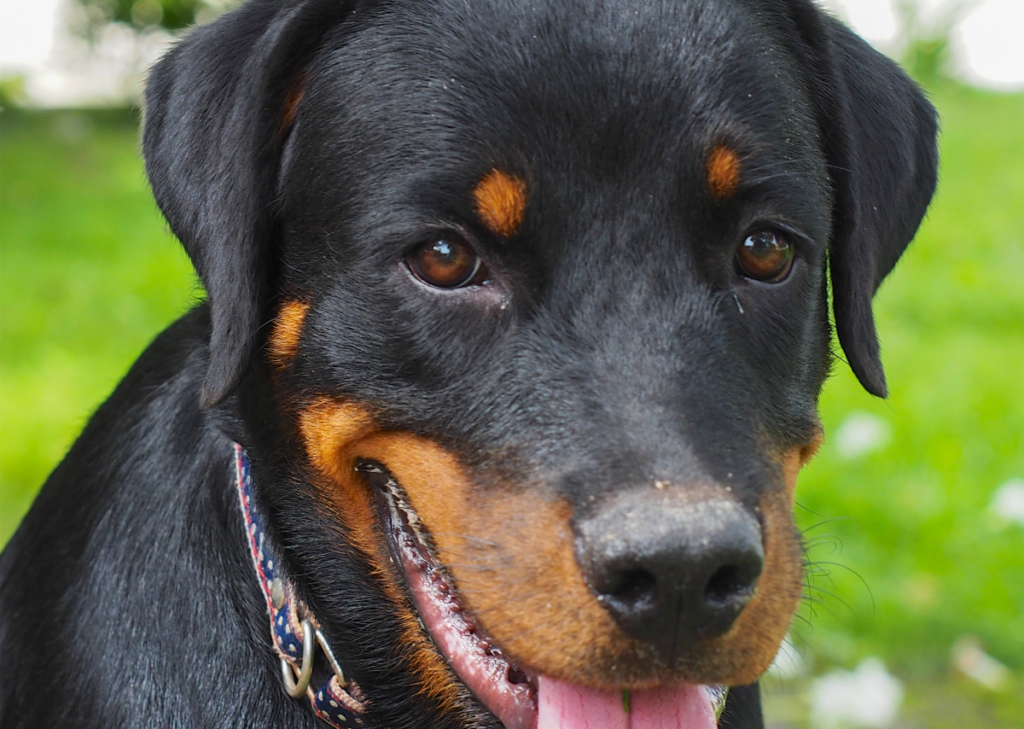
The Dog is a well-built, strong dog with a strong and confident stance. They can be easily identified as they have their characteristic black and tan spots.
• Weight: The weight of Rottweilers is between 80-135 pounds.
• Coat: They have a short, thick and simple coat to maintain which is brushed occasionally.
• Lifespan: Rottweilers last approximately 8-10 years.
Rottweilers are loving and loyal when they are raised correctly despite their intimidating physical physique.
Rottweiler Temperament
Rottweilers are not stupid and they are self-confident to an extent that they can be highly protective of their family. They are also supposed to be loyal and loving to their owners, though they may appear threatening.
• Compliant: Rottweilers are affectionate with proper socialization.
• Protective: They have the instinct of protecting their home and loved ones.
• Active: Rottweilers are lively and they need to exercise to be healthy.
These protective instincts must be channeled in the right direction and this needs training and socialization.
Rottweiler Training Tips

Rottweiler is a dog that should be trained to make a good dog. Rottweilers are notorious in their smartness, and they like order and routine.
Socialization Early On
This process of socialization is supposed to start at a tender age. Introduce your dog to new individuals, pets and conditions to avoid fearful tendencies.
• Puppy Socialization Classes: It can make your dog develop confidence and know how to behave.
• Meet New People and Pets: It is recommended to regularly bring your dog to strangers and to other animals so that you can create a positive interaction with them.
• Positive reinforcers: To reinforce learning, reward good behavior with rewards and praise.
Basic Command Training
Rottweilers are intelligent and therefore can learn commands. Pay attention to the instructions of the simple exercises such as sit, stay, and come.
• Consistency: Have the same commands all the time in order to prevent the confusion.
• Short Sessions: Trainings should be short, between 10 and 15 minutes, or they will become boring.
• Patience: Rottweilers are willing to do anything but should have boundaries and directions.
Addressing Behavior Issues
In some cases, Rottweilers may also end up developing unwanted behaviors, including excessive barking, and aggression, unless trained.
• No Forceful Discipline: Rottweilers are better trained through positive reinforcement as opposed to punishment.
• Professional Assistance: In case of problems, seek the services of a professional dog trainer who can know the needs of the breed.
Health and Care for Your Rottweiler
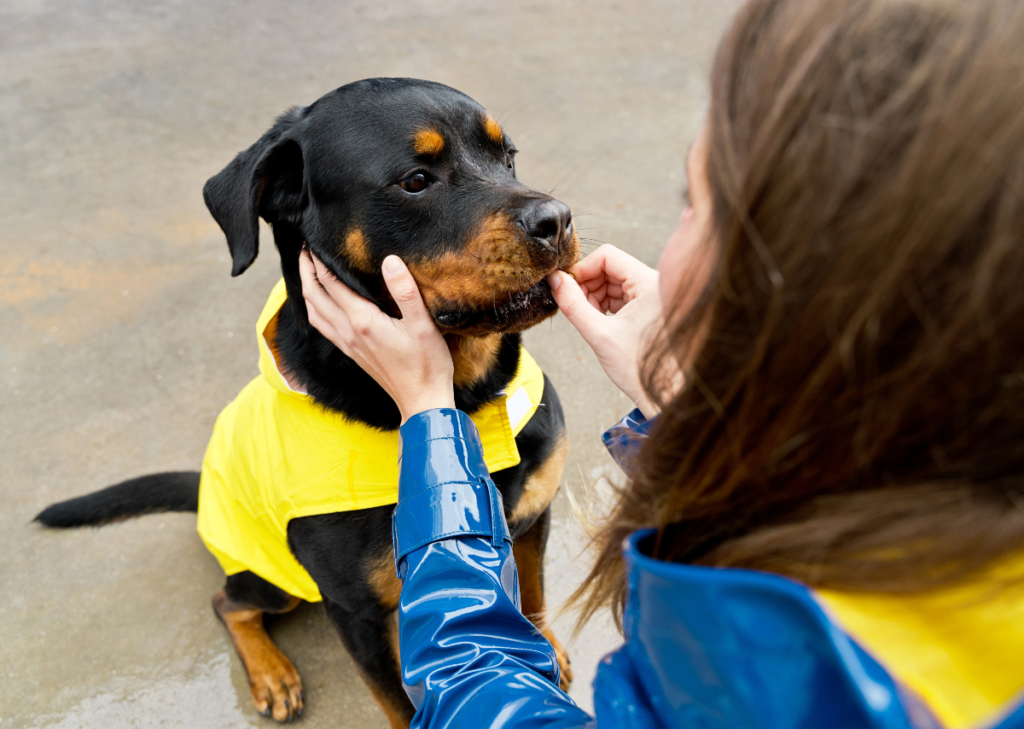
It is necessary to take care of your dog, regularly check him, and ensure that he is healthy. This breed is not very prone to health issues, although there are several health issues that you should look at.
Common Health Issues
Due to their size and genetics, Rottweilers are likely to develop certain health conditions.
- Hip and elbow Dysplasia: This is a common joint disorder which may cause pain and arthritis.
- Heart Disease: Rottweilers are prone to dilated cardiomyopathy which is a heart related condition.
- Cancer: Rottweilers are more prone to some types of cancer, and some of them include osteosarcoma.
Vet visits and healthy diet can be used to offset the risk of these problems.
Grooming Your Rottweiler
The coat of Rottweilers is of low maintenance and they need little grooming. But they need to receive basic care in order to be healthy and clean.
• Brushing: While brushing your dog keep the shedding down to a minimum by brushing the coat at least once a week.
• Bathing: Do not bathe your dog unless there is a need to make it dry.
• Nail Care: Clip their nails so that they are comfortable.
Diet and Exercise Needs

Rottweilers are energetic dogs that require balanced food and exercise to be maintained in perfect condition.
• Diet: Make your dog eat good quality dog food that helps in maintaining the mass and general wellbeing of the dog.
• Exercise: Rottweilers require one hour or more of exercise per day. Playtime and walks or runs are the most appropriate.
Conclusion:
Rottweilers are affectionate, smart and strong dogs that make great pets when well trained and adequately taken care of. Learning their temperament, needs in training, and health issues will assist in making sure that your Rottweiler will live a long and happy life. This breed has remained loyal and protective regardless of whether you are an experienced dog owner or a first time pet parent, this may be rewarding.
FAQ Section
Q1: Are Rottweilers good pets?
Yes, Rottweilers can be great pets in a family under the condition of proper use of training and socialization. They are famous in their devotion and love to their masters.
Q2: What is the amount of exercise that a Rottweiler requires in a day?
Rottweilers should get a daily dose of one hour of physical exercise. This may consist of walks, running or play to ensure that they are physically and psychologically healthy.
Q3: Do Rottweilers respond easily to training?
Rottweilers are also smart and motivated to please and thus can be trained with a consistent positive reinforcement with ease.
Q4: Which is the frequency of grooming my Rottweiler?
The coat of Rottweilers is short and it requires brushing just once in a week. Frequent nail shots and now and then baths will make them comfortable.
Q5: What are the common health complications among the Rottweilers?
Rottweilers are likely to contract hip and elbow dysplasia, heart disease and certain cancers. Vets should be taken to regularly verify early detection.