Rex
Introduction
Are you trying to find a breed of rabbit that is soft and delicate and has a velvety feel? The Rex rabbit’s silky, fluffy hair and serene disposition make it stand out right away. Its distinct coat texture sets it apart from many other breeds and makes it a popular choice for pet owners.
However, you must be aware of its care requirements before bringing one home. Understanding everything from habitat and health to feeding and grooming can guarantee your rabbit’s success. Knowing the Rex rabbit breed will help you steer clear of typical blunders, regardless of your level of expertise as a pet owner.
The behavior, size, longevity, nutrition, housing, grooming, and health care of Rex rabbits are all covered in this book. By the conclusion, you will be able to determine whether this breed is a good fit for your lifestyle and how to properly care for it.
Rex Rabbit Breed Overview

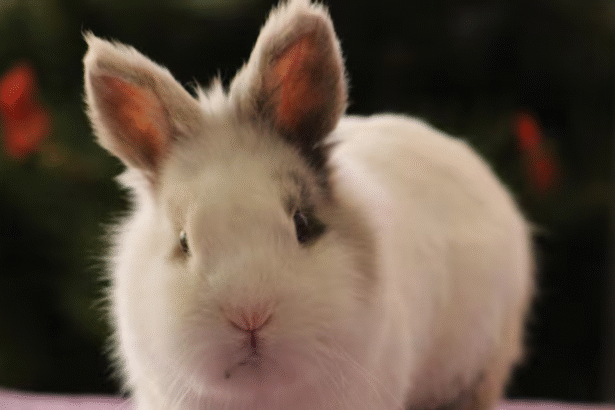
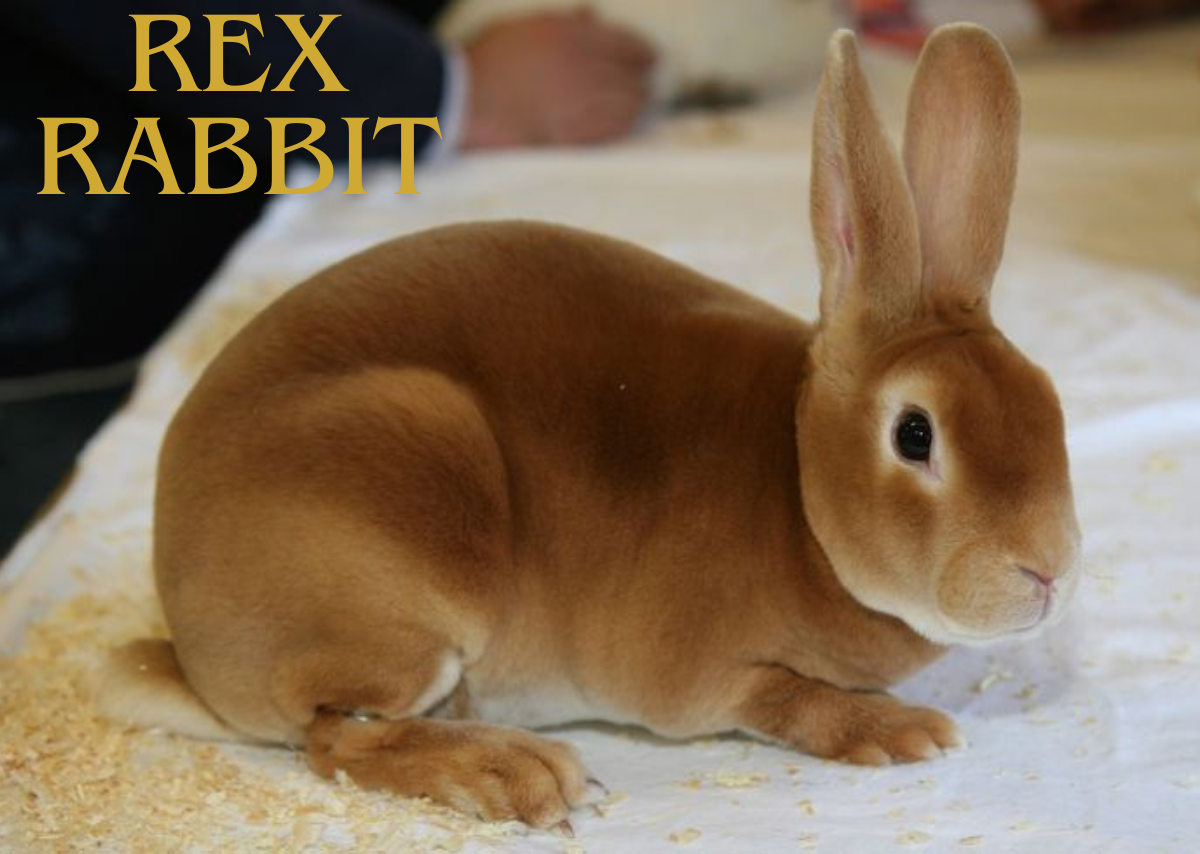
Early in the 20th century, France gave birth to the Rex rabbit. Its very velvety coat helped it become well-known very fast. Rex rabbits don’t have lengthy guard hairs as other rabbits do. They have a thick, smooth texture as a result.
They have compact bodies, erect ears, and are medium-sized rabbits. They are aesthetically pleasing due to their round features and expressive eyes.
Key Characteristics
• Standard Rex weight range: 7.5–10.5 pounds
• Duration of life: 8–12 years
• Temperament: serene, kind, and perceptive
• Type of Coat: Dense, soft, short
• Colors include violet, chocolate, blue, white, black, and more.
Another well-known trait of Rex rabbits is their excellent trainability. You can teach them basic commands and even litter-train them if you’re patient.
Rex Rabbit Temperament & Personality
Rex rabbits are renowned for having a disposition that is in harmony. They don’t exhibit excessive shyness or hyperactivity. They are therefore appropriate for both individuals and families.
They frequently form close bonds with their owners and love interacting with people. They must be handled carefully, though, just like any other rabbit. Stress might result from harsh therapy.
Are Rex Rabbits Good for Families?
Indeed, but oversight is necessary. Youngsters need to be taught the correct way to handle and interact with rabbits. Rex rabbits dislike quick movements and loud noises.
Social Behavior
• Prosper with consistent engagement
• When properly introduced, rabbits are able to mix.
• Take pleasure in toys and mental exercise.
• Without enrichment, they can get bored.
You should have safe play spaces, tunnels, and chew toys available. Brain activity enhances general wellbeing and decreases harmful conduct.
Rex Rabbit Diet & Nutrition

Proper digestion and the avoidance of health problems are guaranteed by a balanced Rex rabbit diet. Rabbits’ digestive tracts are delicate. As a result, you need to supply the proper amounts of food.
Daily Diet Breakdown
• 80% Hay: Meadow hay or Timothy hay
• Leafy greens such as parsley and romaine lettuce make up 10% of the fresh vegetables.
• 5% of pellets are premium rabbit feed.
• 5% Treats: Small portions of fruits
There should always be fresh hay on hand. It promotes healthy digestion and oral health.
Vegetables to Offer
- Spinach (occasionally)
- Bell peppers
- Cilantro
- Bok choy
- Carrot tops
Steer clear of processed meals and sugary snacks. Overconsumption of sugar can lead to intestinal imbalance and obesity.
Always supply fresh, clean water. Use a water bottle or a hefty bowl.
Housing & Space Requirements
A healthy Rex rabbit depends on having the right housing. It’s a common misconception that rabbits can survive in tiny cages. That’s not right.
Rex rabbits require room to jump, stretch, and explore. Stress and obesity can result from confinement.
Ideal Housing Setup
• A sizable indoor space or exercise pen
• Solid flooring (sore hocks from wire floors)
• A litter box with bedding made of paper
• Different locations for rest and feeding
Because of their thin foot hair, Rex rabbits are prone to painful hocks. Always use soft flooring, such mats or fleece.
Indoor vs Outdoor Living
It is safer to live indoors. It shields your rabbit from parasites, harsh weather, and predators.
Make sure you have enough security and insulation if you decide to live outside.
Grooming & Coat Care

The coat of a Rex rabbit is distinct and needs special attention. Fortunately, compared to long-haired breeds, grooming is not too difficult.
You need to keep from brushing too much. If they are overgroomed, their soft fur may get ruined.
Grooming Tips
- Brush lightly once per week
- Increase brushing during shedding season
- Check nails monthly
- Inspect ears for wax buildup
Rex rabbits do not need to be groomed every day as Angora rabbits do. Regular health examinations are crucial, though.
Health Issues & Lifespan
The average lifespan of a Rex rabbit is eight to twelve years. Some people live even longer with the right treatment.
They are susceptible to specific health problems, just like any other breed of rabbit.
Common Health Concerns
- Sore hocks
- Dental overgrowth
- Gastrointestinal stasis
- Obesity
You need to arrange for routine a doctor examinations. Select the doctor that has experience with rabbits or unusual pets.
Reducing behavioral issues and extending lifespan are two benefits of spaying or neutering. Cancers of the reproductive system are also avoided.
Keep a daily eye on your appetite and droppings. Early sickness may be indicated by changes.
Standard Rex vs Mini Rex
The Standard Rex and the Mini Rex are frequently confused. Their coat textures are similar, but their sizes are different.
Differences at a Glance
| Feature | Standard Rex | Mini Rex |
| Weight | 7.5–10.5 lbs | 3.5–4.5 lbs |
| Body Size | Medium | Small |
| Temperament | Calm | Slightly more energetic |
For smaller houses, little Rex rabbits are frequently chosen. However, the care requirements for both breeds are comparable.
Is a Rex Rabbit Right for You?
Think about your way of life before acquiring a Rex rabbit.
Consider this:
• Are you able to provide care for 8–12 years?
• Is there room for adequate housing?
• Can you afford good food and veterinary care?
• Are you ready for everyday communication?
Rex rabbits become loving and fulfilling pets. But they need constant care and attention.
This breed could be perfect for you if you’re looking for a companion that requires little care.
Conclusion:
The Rex rabbit is an unique and endearing breed characterized by its soft disposition and velvety coat. These rabbits may live long, healthy lives if given the right food, shelter, grooming, and medical attention.
They are loving, clever, and trainable. But they need room, stimulation, and responsible ownership. By being aware of their unique demands, you may avoid frequent health problems and maintain a close relationship with your pet.
A Rex rabbit may be a devoted and affectionate friend for many years if you are prepared to put in the time and effort.
FAQ
1. Are Rex rabbits suitable for novices as pets?
Indeed. They are peaceful and rather simple to take care of. Beginners still need to learn how to handle rabbits properly and manage their diet, though.
2. How much do Rex rabbits shed?
They shed a fair amount. Seasonal shifts cause an increase in shedding. Brushing once a week is generally plenty.
3. What is the maximum size of a Rex rabbit?
The weight of a Standard Rex ranges from 7.5 to 10.5 pounds. The weight of mini Rex rabbits ranges from 3.5 to 4.5 pounds.
4. Is it possible to keep Rex rabbits indoors?
Indeed. It is advised to live inside. They are shielded from predators and harsh weather by it.
5. What distinguishes Rex rabbits from other breeds?
The primary distinction is their short, thick, and soft coat. It has to be groomed gently and has a velvety texture.