
Introduction
Being a pet lover, being an owner of a Netherland Dwarf Rabbit is a very fulfilling experience. These cute little rabbits are famous by their pleasant temperament and their small size so that they are ideal pets to people who live in apartments or have limited space. But, as with any other pet, Netherland Dwarf Rabbits should be cared of in order to grow and be healthy.
What Makes the Netherland Dwarf Rabbit So Special?

Appearance and Size
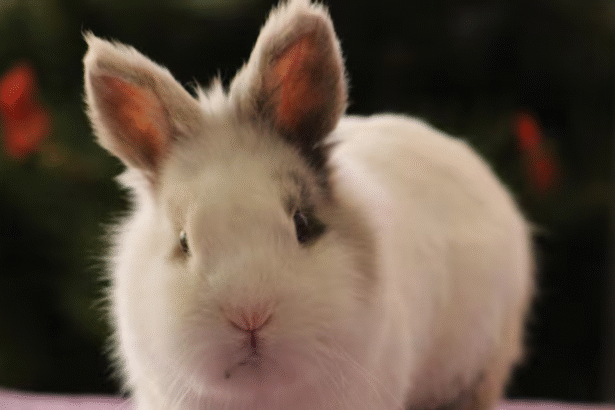
One of the smallest breeds of a rabbit is Netherland Dwarf Rabbit, which has a petite shape and a round face. These bunnies are generally small ranging between 1 to 2.5 pounds and suit individuals with smaller areas of residence such as apartments or homes that do not have large gardens. They are very handsome and with large expressive eyes, short fur that is thick and dense, which makes them irresistibly cute.
These bunnies are found in most colors but solid, agouti and broken. Their size, in addition to their mischievous character makes them very desirable as pets.
Temperament and Personality.
Netherland Dwarf rabbits may be rather curious and active despite their size, they possess a bold character. They tend to be highly affectionate with their owners and can grow close though they might be slightly independent than other breeds. Others could also be somewhat shy particularly when they are younger. When socialized well, though, they may turn into a pleasant, self-confident, and delight to be around.
Essential Care for Your Netherland Dwarf Rabbit

Housing Needs
In the establishment of a home with your Netherland dwarf Rabbit, the size of their cage or home is an important factor. Rabbits require lots of space to move around even though they are small. The size of a cage should be four times the size of your rabbit when it is stretched. The most important things to add are bedding materials like hay or shredded papers to ensure that the environment is clean and comfortable.
As exercise, it would be a nice idea to take your rabbit out of his/her cage and spend a couple of hours in a safe and closed place. They will be put in a big playpen or a rabbit-proofed room so that they have the freedom to hop and roam without the danger of getting into anything that can harm them.
Grooming and Hygiene
The Netherland Dwarf Rabbit also has short fur as opposed to longer-haired breeds and therefore does not need a lot of grooming. Yet, they will still enjoy the routine of getting their hair brushed to clear of any loose hair and mats. This is because you are supposed to brush the coat of your rabbit at least once a week to maintain your bunnies fur healthy.
Their nails should also be clipped on a regular basis to ensure they are not too long and unbearable. It is important to clean their litter box and bedding on a regular basis to avoid the unwanted odours and keep the environment healthy to your bunny.
Diet and Nutrition for a Netherland Dwarf Rabbit
Hay is the Key
Just like any other animal, your Netherland Dwarf Rabbit requires a proper diet to be healthy and happy. Their diet should be based on hay since it contributes to their digestion and ensures that their teeth are healthy. Access to quality hay such as timothy hay that is abundant in fiber and necessary to the gut can be provided unlimited. The hay must be present at any time, at night and day.
Fresh Vegetables and Fruits
Besides hay, fresh vegetables are also supposed to be added to the daily food of your rabbit. Romaine lettuce, parsley and cilantro are also good options of leafy greens. Iceberg lettuce should be avoided because it brings about digestive problems. Occasionally a small piece of fruit can also be provided in the form of treat like the pieces of apple, or blueberry.
Pellets
A little amount of good quality rabbit pellets should also be given by you. The pellets in this case must be specially designed to suit dwarf rabbits so that they are able to get the right proportion of nutrients. Moderate administration of pellets should however be applied to prevent overfeeding.
Fresh Water
Never keep your Netherland Dwarf Rabbit without fresh water. The water you want to provide may be in a bowl, or a bottle, based on the choice of your rabbit. Ensure that the water is regularly replaced so that it is clean.
Training Your Netherland Dwarf Rabbit
Litter Training
Netherland Dwarf Rabbits can be litter trained and this is quite simple. Rabbits instinctively have the urge to use the bathroom in a particular place hence placing a litter box in the cage or playpen is an effective way of teaching them where they can relieve themselves. A safe litter without toxicity (paper-based litter or pellet litter made of wood) should be used.
Basic Commands
Rabbits are smart and can be taught basic tricks e.g. come, stay, no, through positive reinforcement; treat or petting. Give your rabbit time and be consistent so as to help them learn.
Common Health Issues in Netherland Dwarf Rabbits
Dental Problems
Netherland Dwarf Rabbits just like any other rabbit are dental carriers since they have ever-growing teeth. One should also give them chew toys or untreated wood to make their teeth naturally file down.
Digestive Problems
Digestive discomfort may be caused by a bad diet or a simply change in their food. Every new food must be presented in small portions and your rabbit should be watched with regard to any form of discomfort or sickness. Get a veterinarian consultation in case of you observe the loss of appetite, diarrhea, as well as bloating.
Obesity
Despite their small size, the Netherland Dwarf Rabbits may be obese in the event that they are not fed right or exercised. Keep a close watch on their diet and give them room to exercise on a daily basis.
Conclusion:
Having a Netherland Dwarf Rabbit is a great experience though it comes with a number of responsibilities. You will be able to live a healthy and happy life through the proper diet, home, and grooming. These small rabbits make great pets because of their playfulness and their love to the families and individuals. The Netherland Dwarf Rabbit is an animal that will capture your affection regardless of whether it is your first time keeping a rabbit or you are an experienced pet owner.
Using the instructions that are provided in this guide, you will be in great position to establish a good relationship with your Netherland Dwarf Rabbit and give them the best life ever.
Frequently Asked Questions (FAQs)
1. What is the lifespan of the Netherland Dwarf Rabbits?
Under normal conditions of care and attention, Netherland Dwarf Rabbits have a lifespan of 7-10 years. There are those that can even live longer provided that they are maintained under the best conditions.
2. Is it possible to keep a Netherland Dwarf Rabbit with other rabbits?
Yes but it should be presented gradually and cautiously. The Netherland Dwarf Rabbits are territorial and hence careful introductions and supervision is necessary.
3. How frequent is the grooming of my Netherland Dwarf Rabbit?
Bathe your rabbit once a week so that the coat is in good condition. It is necessary that one brushes regularly to remove any loose fur and mats.
4. How do I feed my Netherland Dwarf Rabbit when it refuses to eat?
You should also be worried because when your rabbit refuses to eat, then there might be a health problem. Call a doctor to a veterinarian because rabbits can have gastrointestinal problems quite rapidly.
5. Am I sure my Netherland dwarf Rabbit is happy?
The Happy Netherland Dwarf Rabbits will be active and curious, and will interact with the environment. They will jump, they will even eat and they may even want attention with their owners.