Meta Description: Learn about the Ragdoll cat’s live, known for their affectionate nature and striking appearance. Discover how long these gentle companions live and how to care for them
Introduction
The Ragdoll cat is a laid-back, friendly looking and strikingly beautiful cat. These large domesticated cat breeds usually steal the hearts of cat lovers across the world and they become usual pets. A question that a lot of people who would be thinking of owning a Ragdoll cat would ask is, “How long do Ragdoll cat’s live? Knowing the life span of this breed can guide the owner in giving maximum care so that his or her furry friend lives long and healthy life.
Average life expectancy of a Ragdoll cat is mostly between 12-15 years though most Ragdolls have been observed to live much longer with the proper care. This article will explore the reasons that affect the life of Ragdolls, prevalent health issues, and information on how to make sure that your Ragdoll will live a healthy happy life.
- Average Lifespan of a Ragdoll Cat
- Common Health Problems That Can Affect Ragdoll Cat’s Lifespan
- How to Help Your Ragdoll Live a Long and Healthy Life
- Regular Vet Checkups
- Diet and Nutrition
- Mental and Physical Coercion.
- Grooming and Hygiene
- Ragdoll Cat’s live vs Other Breeds
- Conclusion: Ragdoll Cat’s live
- FAQs about Ragdoll Cat’s live
Average Lifespan of a Ragdoll Cat
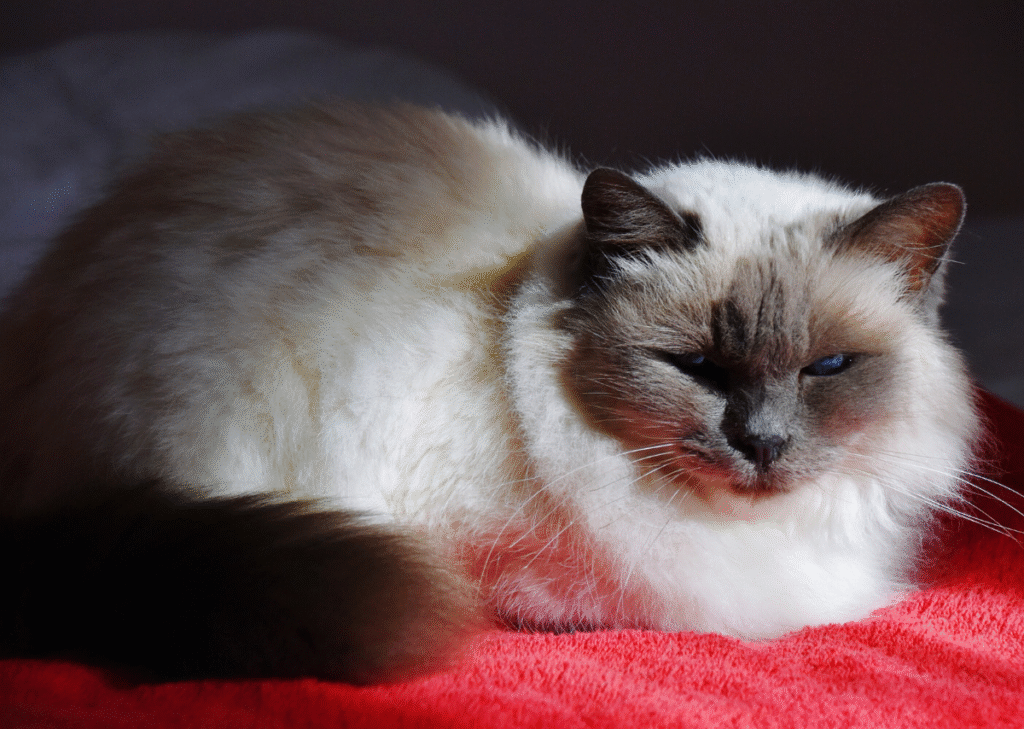
Ragdoll cat’s live expectancy ranges between 12 and 15 years though some Ragdolls have been known to live beyond their late teenage years up to their early twenties. A Ragdoll has a lifespan just like any other breed and can differ depending on a combination of factors such as genetic, lifestyle and health care.
Influencing factors on the life span of ragdoll.
There are a few things that are important in deciding the lifetime of the Ragdoll cat. These include:
• Genetics: It is highly possible that the genetic composition would significantly affect the health and lifespan of a Ragdoll cat. Cats whose family history included long and healthy cats are likely to live longer.
• Diet: Nutritious diet is in balance and helps in overall health which would influence the life expectancy of your Ragdoll.
Exercise: Obesity is a common problem among Ragdolls that can be prevented by regular physical activity and increase their life expectancy.
Practices: Health Care Routine checkups of the vet, vaccinations, and good health care can greatly affect the life of Ragdolls.
Common Health Problems That Can Affect Ragdoll Cat’s Lifespan
Hypertrophic Cardiomyopathy (HCM)
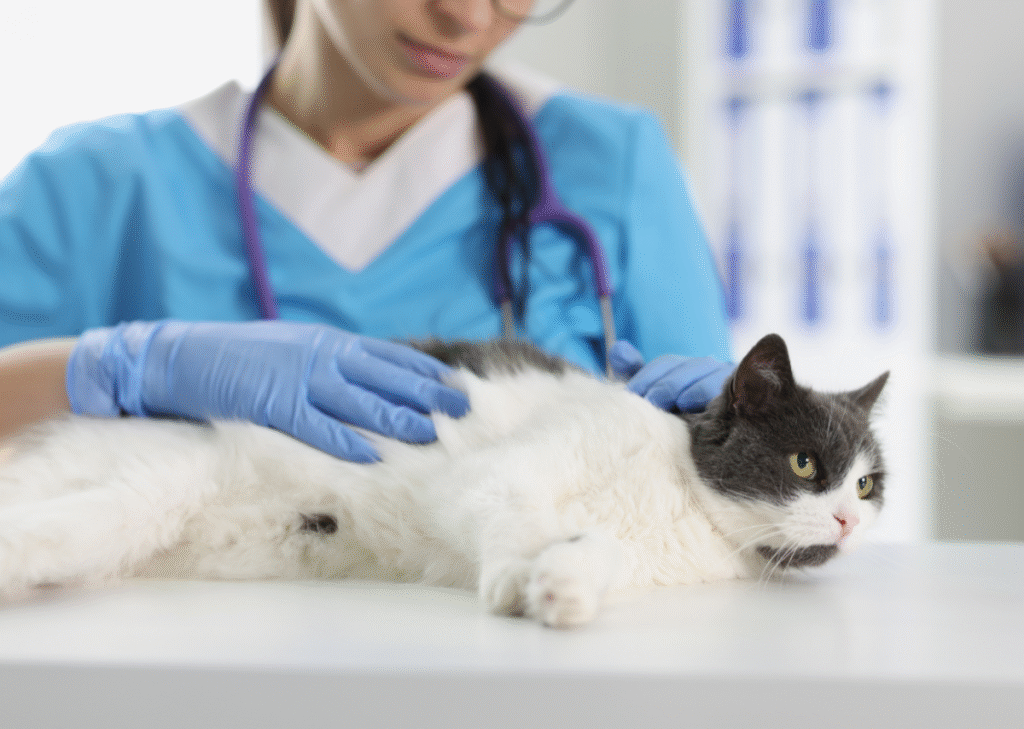
Hypertrophic cardiomyopathy (HCM) is one of the most common heart diseases that Ragdolls are exposed to and can be fatal in case of not treated. HCM makes the heart muscles thick which causes heart failure. This condition may be controlled through regular vets visits and early detection.
Kidney Disease
The other issue is kidney disease because those Ragdolls that are older are vulnerable to renal problems. Regular blood and urine tests are essential in early intervention by monitoring kidney functioning.
Obesity
The larger breed is ragdolls, the problems caused due to obesity are manifold since it may cause diabetes, joint problems, and cardiac diseases. A healthy weight of your Ragdoll can be kept by feeding him a healthy diet and engaging in exercise.
How to Help Your Ragdoll Live a Long and Healthy Life
Regular Vet Checkups
It is necessary to bring your Ragdoll to a vet regularly to check on his/her health. These examinations may assist in notifying of the initial signs of illness and may be sure that your cat has received necessary vaccinations and flea treatment.
Diet and Nutrition
The secret to keeping your Ragdoll healthy is to provide him with high quality and balanced diet. Find food that is rich in proteins, has low carbohydrates, and has essential vitamins and minerals. There should be the availability of fresh water.
Mental and Physical Coercion.
Although Ragdolls are lazy creatures, they require mental and physical activity to be healthy. Keep your cat active by offering toys, climbing structures, and interactive playtime.
Grooming and Hygiene
The fur of ragdolls is semi-long, and is likely to get tangled or matted when not groomed regularly. Regular grooming will ensure the coat of your Ragdoll remains clean and healthy, avoiding skin infections or matting.
Ragdoll Cat’s live vs Other Breeds
Further, in comparison with other breeds of cats, the average life span of Ragdolls is average in relation to other larger breeds. They however have fewer breed-specific health issues compared to certain other long lived breeds like the Siamese or Burmese cats.

Conclusion: Ragdoll Cat’s live
A Ragdoll cat has a life span of between 12 and 15 years and some live their entire lives to late teens or even 20 years with proper care. Genetics, proper diet, regular check-ups with the vet, and preventative obesity are some of the factors that would help in giving your Ragdoll long and healthy life. Although health issues such as hypertrophic cardiomyopathy and kidney disease can be a problem in some Ragdoll cat, it is possible to control these diseases because they can be detected early and managed. With proper care of your Ragdoll, you will be able to make sure that your cat companion will lead a long and happy life with you.
FAQs about Ragdoll Cat’s live
Q1: Does the Ragdoll cat need any special diet?
Ragdolls do not require a special diet but they require high quality food that contains a lot of protein, healthy fats and essentials. Find food that is specifically designed to meet the needs of large breeds to maintain their size and general health. Some tips will always include drinking fresh water and ensuring that they watch their calorie content to avoid obesity.
Q2: What do I do to know whether my Ragdoll cat is becoming overweight?
You can tell that your Ragdoll is overweight by noticing that he or she does not have any visible waistline, has trouble moving around, and that the fat would be concentrated around the abdomen. Ribs should be felt, also, but when you cannot feel them your cat must lose weight. Consistent vet checkups can be used to monitor the weight of your cat and make sure it is on track towards maintaining good health.
Q3: How can I maintain a healthy coat of my Ragdoll?
Ragdolls need regular grooming because their semi-long fur is likely to become matted and tangled. Having a coat that is smooth and shiny, have your Ragdoll brushed at least 2-3 times a week to avoid mats, shedding and have healthy skin. You do not have to bathe your cat unless he/she is very dirty, however, bathing every now and then also helps in keeping the coat shiny and clean.
Q4: What to do to know whether my Ragdoll is sick or suffering?
Pay attention to such symptoms as appetite changes, unexpected weight gain or loss, excessive grooming, lethargy, problems breathing, or limping. Ragdolls tend to be very relaxed and thus any possible change in their behavior at any moment is a sign of a health problem. Always it is better to check with a vet in case of unusual behavior.
Q5: Can cats with ragdoll live in the outside world?
Ragdolls may also live outdoors although not advised because of their easy-going nature. When they are out of doors they are more susceptible to accidents, predators and disease. Ragdolls are not afraid of being outdoors because they can play with their family and have an outdoor play time in a safe place.