Meta Description: Learn everything about female peacocks, from their appearance to care tips. Discover how to raise these beautiful birds as pets with this complete guide.
All About Female Peacocks: Characteristics, Care, and Pet Guide
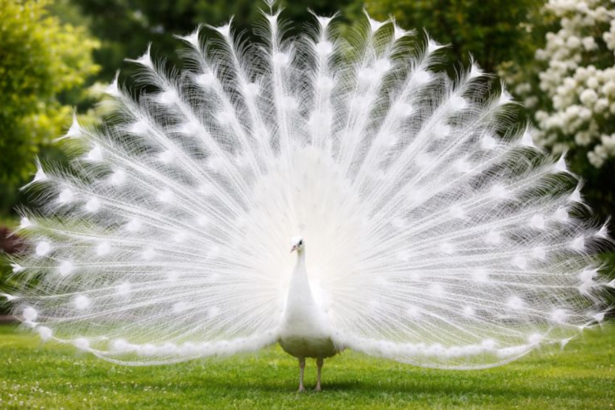
The peacocks are usually referred to in terms of the beautiful and iridescent feathers of their tail, yet what of the female peacock? This magnificent bird is also called peahen and it deserves as much attention as its male counterpart. As a bird lover, pet owner, or simply as a curious person, the answer to the question is the attitude, appearance and care needs of the female peacock which can help you decide whether this beautiful bird fits in your house or not.
We are going to explore the very exciting world of female peacocks in this guide and explain all there is to know about their peculiarities and the way to keep them at home. At the close of this paper, you will know well how to attend to and admire the beauty and conduct of these wonderful things.

What Does a Female Peacock Look Like?
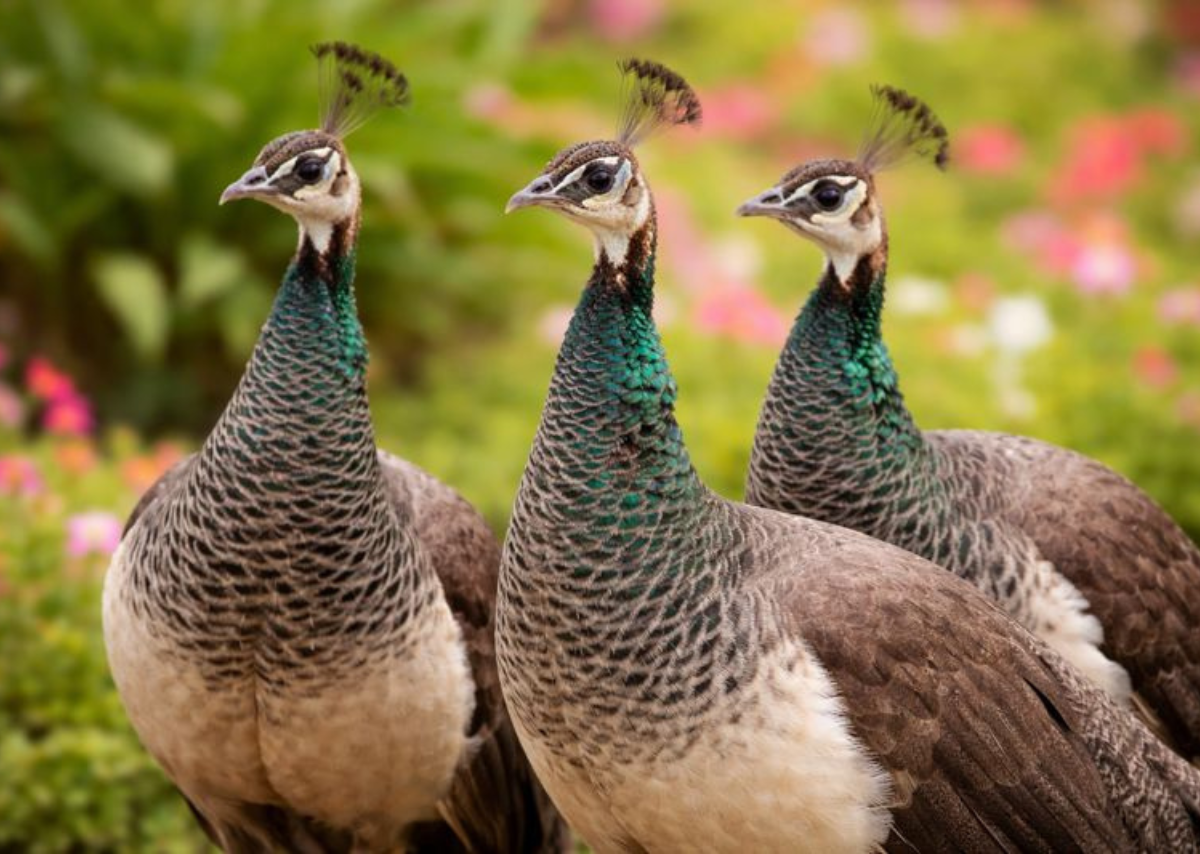
Although it is the male that has been known to make a flashy display, the female peacock otherwise known as peahen bears a more toned down yet equally attractive look.
Subdued Plumage
The female peacock does not have colors as bright as that of the male who displays beautiful iridescent feathers in his tail. Her feathers are generally brown, gray or a dull green, this usually helps her to blend with the surrounding, particularly during nesting. This disguise is a key to the survival of this animal and her young ones against predators.
Size and Shape
The female peafowls are smaller in size compared to the males. The long tail feathers of males are long, showy, and may extend to a length of 6 feet, whereas the tail of the female is much shorter. Her body is smaller and she is not as much of an eye-catcher, as the males around show off their feather displays, but instead, she concentrates on other shows.
The Behavior of Female Peacocks
Female peacocks may not perform the dramatic shows that their male counterparts do but they are a vital part of the peafowl pack.
Reproductive Role
The reproduction is done by peahens. In case they are ready to mate, they would select the male based on the display. Upon conception, the female bear bears 3-6 eggs and makes it a responsibility to incubate the eggs, a period of about 28 days. Peahens are jealous mothers and remain near the nest protecting the eggs against any threats.
Social Dynamics
Peacocked women are shy and quiet as compared to men. These are commonly found in small groups or flocks and their behavior is not as conspicuous. Whereas males will tend to show off through their feathers and make a lot of noise, females are more subdued and they are more preoccupied with nesting and keeping their offspring safe.
How to Care for a Female Peacock

To keep a female peacock, the peculiarities of her care should be taken into consideration. You may be an amateur or an expert owner of a bird, but you should know what she requires to flourish.
Housing Requirements
The peacock women must have space to move around. The best place would be a safe outdoor aviary, as they like foraging and flying, as well as exploring. The aviary must be big enough to move around and should have secure and peaceful area where she can nest. Always have perches, shade and shelter against the harsh weather conditions.
Diet and Nutrition
You must have a good diet in your female peacock. Being omnivores, they are supposed to consume a combination of grains, seeds, vegetables and the occasional insects. There must always be fresh and clean water. A varied diet also makes sure that they get the needed energy and well-being of the body in general.
Health Maintenance
Peafowls should be taken to the health check regularly to prevent diseases. Monitor her feathers, behavior and appetite. Male peacocks can be victim to parasites, and as such it is possible that female peacocks need frequent miticides and lice treatments. Also, clean the aviary on a regular basis to avoid disease spread.
Common Myths About Female Peacocks
Misconceptions about female peacocks are also many and they tend to darken the female qualities. Let’s debunk a few:
Myth 1: Female Peacocks are Ugly and drab.
As much as it is a fact that the female peacocks do not have the bright and colorful tail feathers that the male peacocks have, they are beautiful. Their dull coloring makes them fit into the natural environment and their elegant stature makes them a beautiful sight.
Myth 2: Female Peacocks do not make it to the Flock.
The male is equally important to the flock as the peahens. The absence of them would mean no children and their nurturing instincts preserve the lives of the young. They are also important in ensuring a balance is maintained within their group.

Conclusion:
The peacockess lacks the very striking feathers of the peacock, but she is no less valuable to the world of peafowls. There is her graceful plumage, her motherly habits, her necessary aid in reproduction, she must be acknowledged. In case you have your mind in keeping a female peacock as a pet, it is important to learn about her needs and be able to maintain a safe and spacious habitat, in order to make sure that she stays healthy and happy. As a novice or an expert, raising a female peacock can be both an enjoyable experience and a learning experience as you get to know the different (less obtrusive) protective nature of these splendid creatures.
FAQs
1. Can female peacocks fly?
Yes, the peafowls, which are females, can fly a short distance provided that they have to run away or to safety. They are not, however, as disposed to fly as the males.
2. What is the lifespan of the female peacocks?
When left in the wild, peacocks can live up to 15-20 years. They can also live as long as they are taken care of in captivity.
3. Are female peacocks social?
They tend to be quieter and less conspicuous as compared to males, but the female peacocks are social animals and like to be in groups. They normally build smaller flocks that are peaceful.
4. What do female peacocks eat?
The female peafowls are omnivores. They have a diet comprising of grains, seeds, vegetables and insects. It is critical that they be given diversity in their meal.
5. Do female peacocks survive on their own?
Although they do well in the wild, female peacocks are social animals and tend to do well in the presence of other peafowls or animals. They, however, require sufficient space to move about.