Meta Description:
Everything about the Warmblood horses, their history, care requirements and training tips. Easy going and professional!
- A Comprehensive Guide to Warmblood Horses: History, Care, and Training Tips
- What is a Warmblood Horse?
- The History of Warmblood Horses
- The Care Needs of Warmblood Horses
- Proper Nutrition
- Hay Fresh grass or alfalfa hay contains fiber
- Grooming and Hoof Care
- Exercise and Mental Stimulation
- Veterinary Care
- Training Warmblood Horses
- Conclusion: Warmblood horses
- FAQ Section About Warmblood horses
A Comprehensive Guide to Warmblood Horses: History, Care, and Training Tips
Introduction
Do you have the interest in Warmblood horses and willing to know more about this outstanding breed? Being either a novice horse owner or an old one, the details on the nature, maintenance, and training suggestions of Warmbloods will guide you to make effective choices. These horses are known to be tough, agile and so placid that they can be put to all kinds of activities such as dressage, show jumping and also in eventing. Warmbloods are versatile and intelligent, thus providing companionship and performance. But why then are they so special to other breeds. We are going to explore their history, needs and the taken care of in this guide as well as their tips to be trained as majestic creatures. At the end you will have known how to give the best to your Warmblood.
What is a Warmblood Horse?
Understanding the Breed
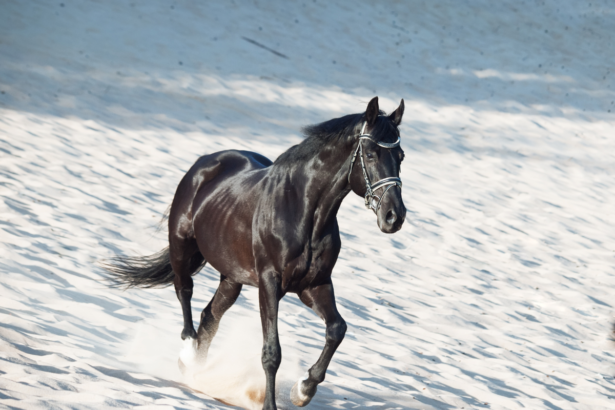
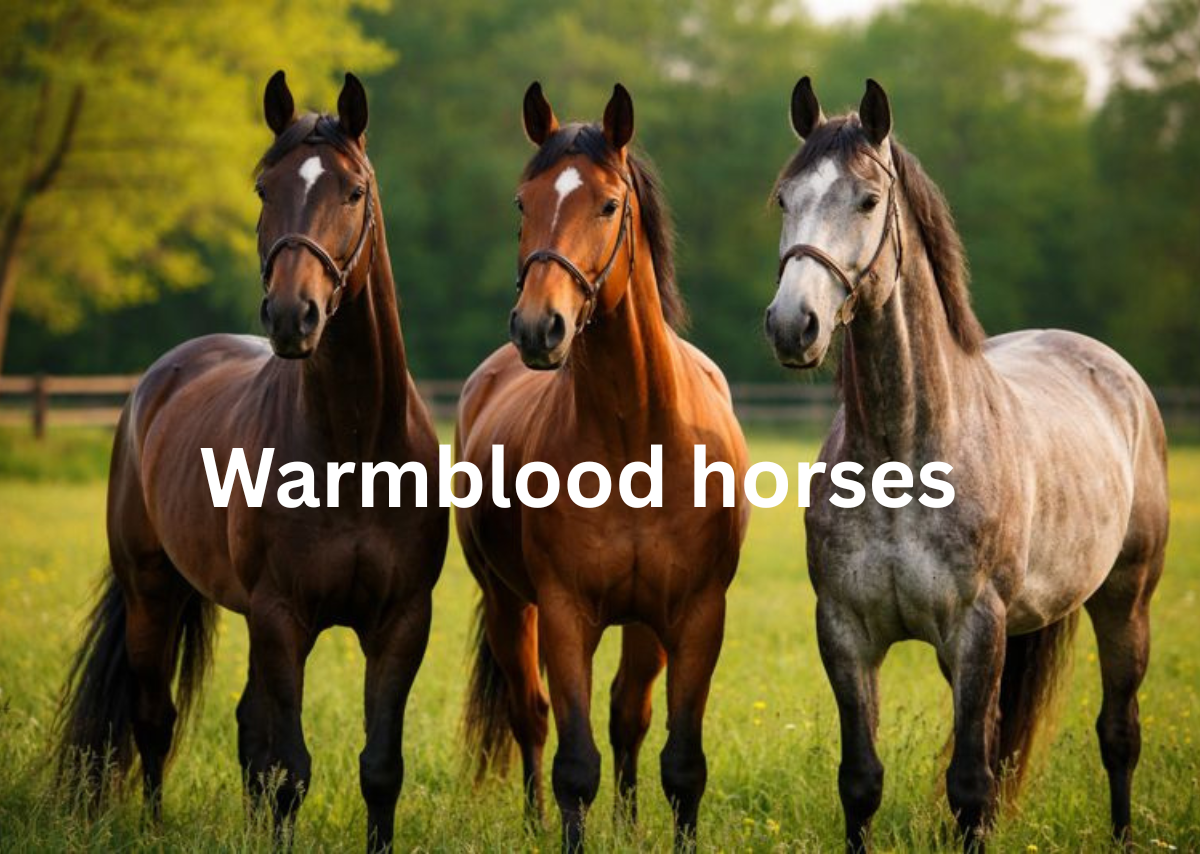
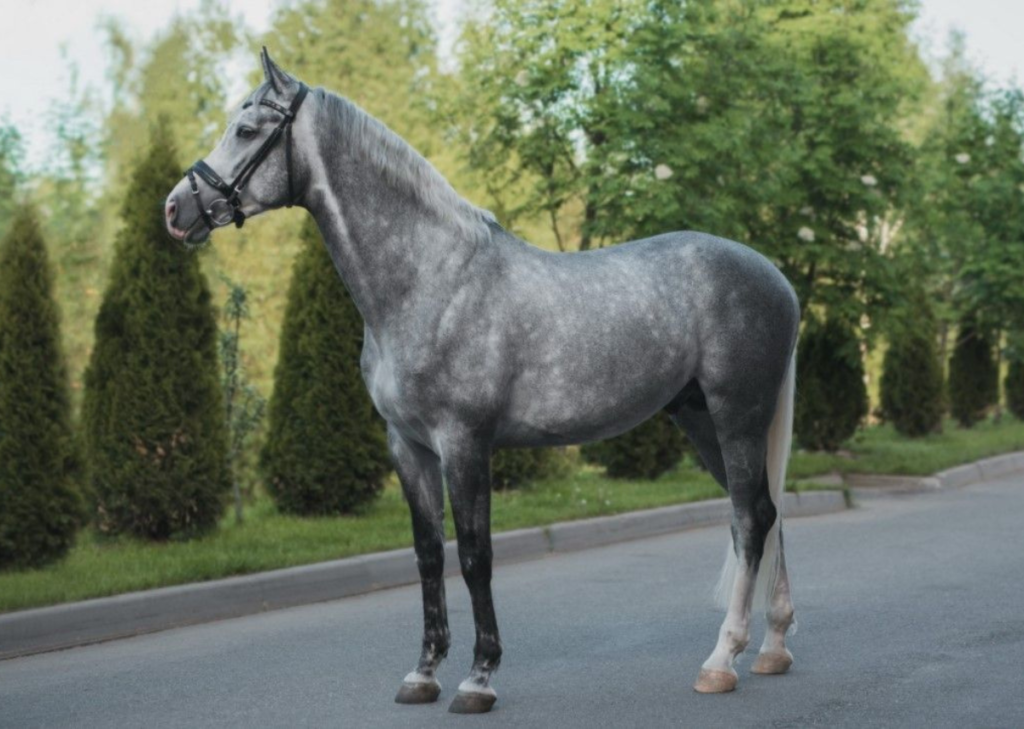
The warmblood horses are a special combination of hot and cold blooded horses. These horses are known to be very athletic, intelligent and calm-tempered which make them perform well in various fields. They are particularly popular in equestrian sport such as dressage, show jumping, as well as eventing.
Important Phenotypes of the warmblood horse.
Size: The size is normally between 15 to 17 hands high.
• Build: Medium to large, muscular and gracious.
• Disposition: docile, educable, clever.
• Life span: 25-30 years under good care.
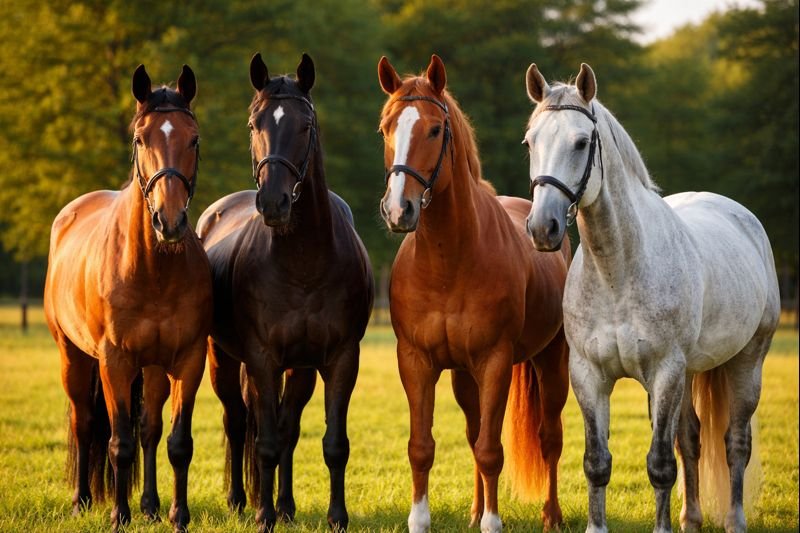
• Coloring of Coats: Bay, most often, chestnut, gray and black.
Different Warmblood Breeds
• Dutch Warmblood: This has been characterized with a lot of dressage and jumping skills.
Hanoverian: Competitive dressage desired.
• Oldenburg: Good jumping, eventing horse.
• KWPN: This is a popular breed in dressage and jumping.
The History of Warmblood Horses
Origins and Development
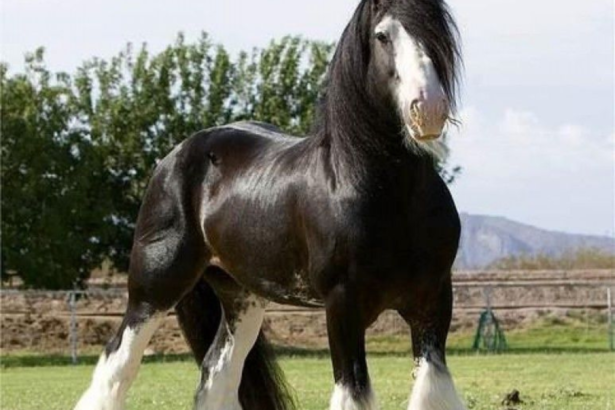
Warmblood horses are of European origin, mostly in the Netherlands and Germany. They were developed in the 17th and 18th century and were initially used as farm horses as well as cavalry horses. These were the early warmbloods that were a mix of hardworking draft horses and the Thoroughbreds that were well versed in different chores.
Essays on the Evolution of Modern Warmbloods
Warmbloods started to be raised as animals possessing athletic skills because the cavalry horses started to be of less demand. In due course, they evolved to be the breed of choice in competitive equestrian activities. Nowadays, Warmbloods are the symbol of the perfection of dressage and jumping because they are athletic and ready to work.
The Care Needs of Warmblood Horses
Proper Nutrition
Warmbloods like all horses need a balanced diet in order to keep healthy. A typical diet includes:
Hay Fresh grass or alfalfa hay contains fiber
• Grain: This is incorporated depending on the energy requirement of the horse particularly the active ones.
• Supplements: Vitamins and minerals could be required as they grow old and have increased workload.
Tip: It is always recommended to use the services of an equine nutritionist to define the optimal exercise regime.
Grooming and Hoof Care
It is necessary to groom your Warmblood frequently in order to make it healthy and comfortable. Grooming:
• Improves blood circulation
• Shines the coat and wipes it off.
• Helps you examine in case of injuries or irritations.
Moreover, it is important that the regular care of the hooves is taken in order to avoid lameness and ensure correct standing. Make a farrier cut off the hooves after 6-8 weeks.
Exercise and Mental Stimulation
Warmbloods are natural athletes and must be exercised on a regular basis to remain fit. Your horse can be involved in:
• Riding: Recreational and competition riding.
• Lunging: Superior to conditioning and communication.
• Turnout: Mental health is maintained by letting your horse gallop in a pasture field.
Riding your horse will not only help him/her to be physically in shape, but also mentally alert.
Veterinary Care
Regular examinations are necessary to maintain the Warmblood. Parasites should be treated and vaccinations should be done on a regular basis to avoid disease. Getting joint issues, particularly in old age, is common to warmbloods, and therefore, one should observe their locomotion, and deal with any form of stiffness at its initial stages.
Training Warmblood Horses
Basic Training for Beginners
Warmbloods are very smart and react to positive training approaches which are consistent. In the case of a beginner, you should begin with simple groundwork and simple commands. It is important to build trust and a strong base of respect.
• Groundwork: Fundamental halting and backing up are a response to your horse.
• Lunging: Strengthens endurance and is used to train balance.
• Handling: Be sure that your horse is fine with being handled in many different ways, including grooming, saddling and leading.
Advanced Training for Competitions
Warmbloods are also competitive in dressing and showjumping. Training in preparation of such should be structured and regular:
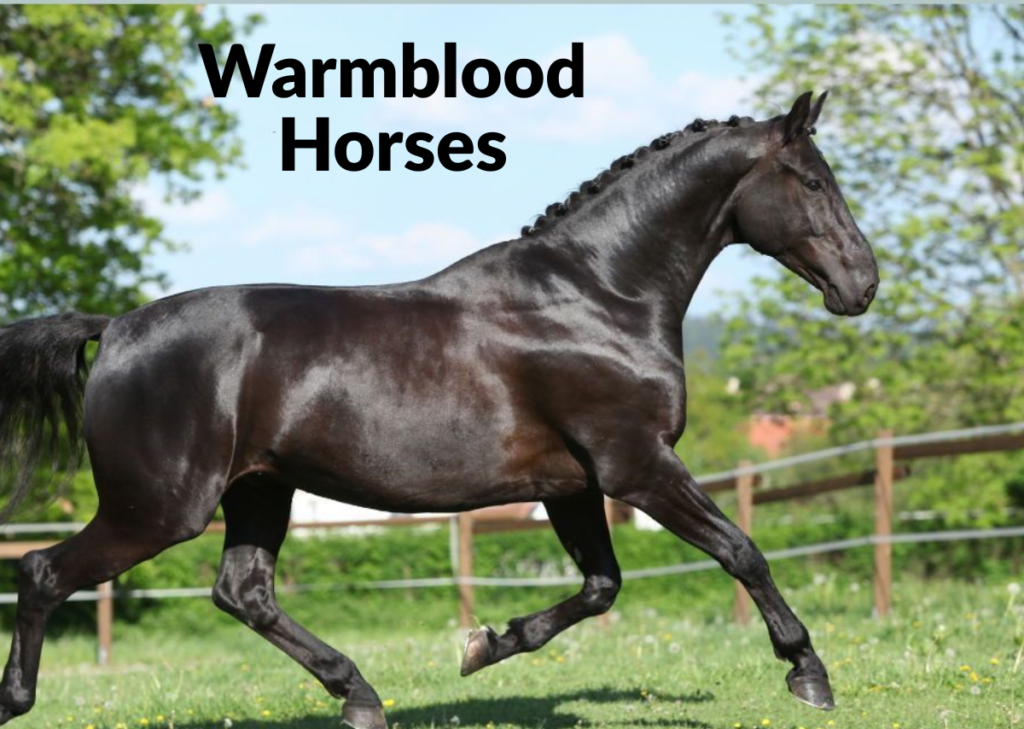
• Dressage: Work on precision and flexibility as well as communication.
• Jumping: Focus on power, speed and concentration. Warmbloods are well adapted because of their innate sporting capabilities.
Training Tips for Success
• Positive reinforcement: you have to reward your horse with treats and praise.
• Impatience: The warmbloods are sensitive to the firm yet kind leadership.
• Regularity: The regular trainings will result into improvement and better attachment with your horse.
Conclusion: Warmblood horses
Warmblood horses are an excellent ride horse in all levels because of their versatility, easy going nature, and sporting capability. Warmbloods are good companions whether you are keen on competitive equestrian activities or you are simply in need of a loyal companion. You can make sure that you have a long productive and happy relationship with your Warmblood by feeding them correctly, grooming them, and training them regularly. Whether you are planning to add any of these great horses to your life, then by all means keep updated and consult an expert in order to meet their special care requirements.
FAQ Section About Warmblood horses
1. What is the personality of a Warmblood horse?
The warmbloods are characterized by the docile, ready, and smart mood. They can be trained and perform well in any field and thus are suitable to the first-time riders and also to the professional riders.
2. What is the average height of the Warmblood horses?
The Warmbloods range between 15 and 17 hands. This height enables them to suit different kind of riders, whether in the competitive sports or in leisure riding.
3. Are there any picks to Warmbloods?
Yes, they are very easy to train and calm, but one should possess some basic knowledge of horse care and training.
4. What is the frequency of grooming my Warmblood?
Wash your Warmblood no less than twice or thrice a week. This will keep their coat in good condition and allow you to inspect it to provide you with the chance of a check on the injury.
5. Training my Warmblood to dressage? Start with simple training exercises including groundwork and lunges, and advance to complicated exercises. During the dressage training,