Meta Description: Get to know how to take care of Vienna Rabbit, its characteristics, diet, and health tips to have an almost happy, healthy pet. An ideal introduction to both professionals and amateurs.
Introduction:
Do you think you should have a Vienna Rabbit pet? These lovely animals are gaining popularity because of the peaceful temperament and the distinctive looks. Being a new owner of a rabbit or an old-fashioned owner of a pet, it is important to know how to take care of a Vienna Rabbit in order to ensure the happy and healthy life of your pet.
They are a very cute companion with their blue eye and warm fur. But what do you have to know about their care, behavior and needs? Here, we will explore all the facts about them, including their looks and character, foods, and medical services. By the conclusion of this paper, you will be prepared to invite a Vienna Rabbit to your house and be sure of him!
What is a Vienna Rabbit?
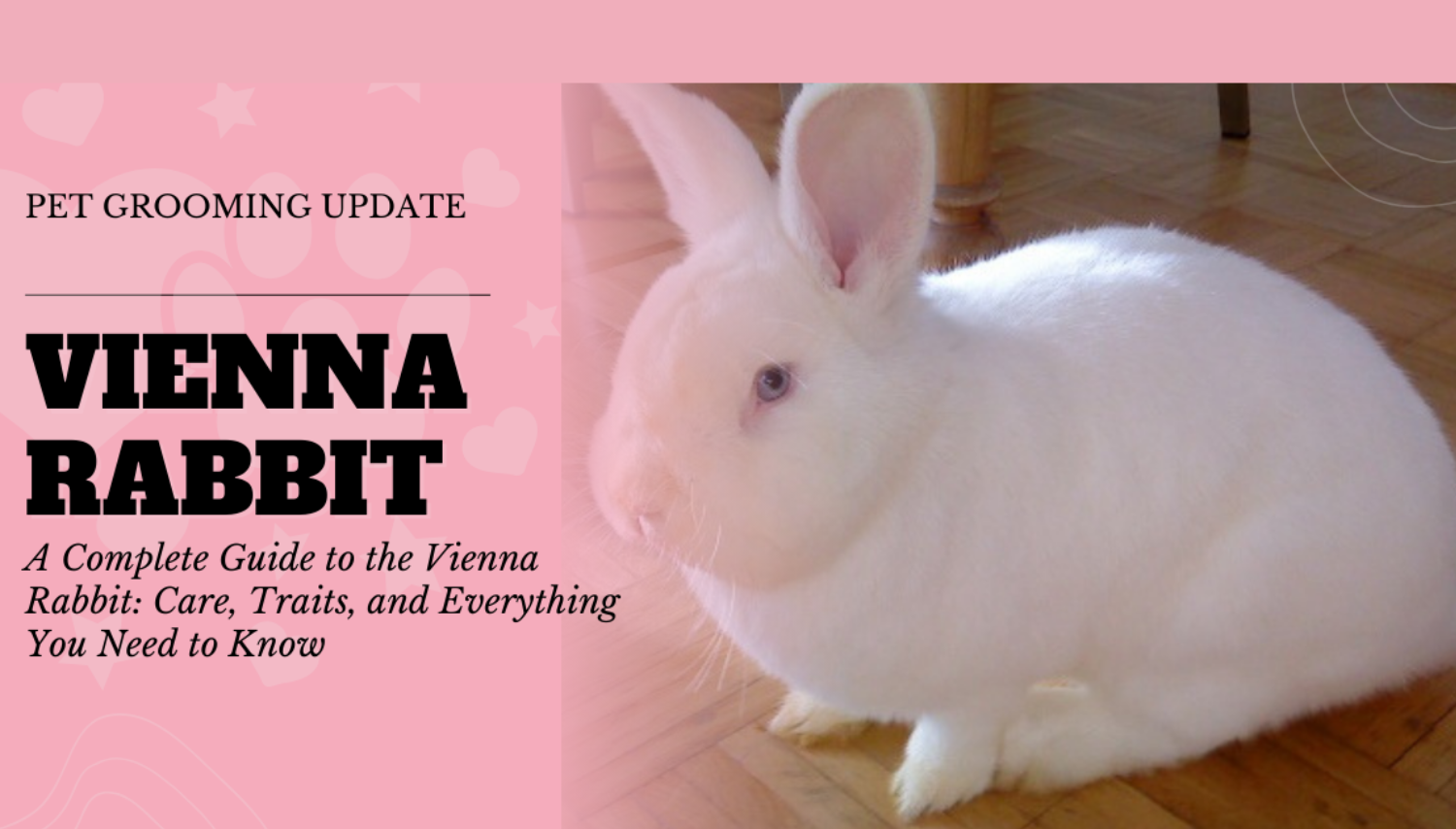
The Vienna Rabbit is a breed that was created in Austria, and it is renowned due to its beautiful looks and affable nature. Their eyes are unique and blue in color and it is a great pet since it is a compact animal that can be used by beginners and seasoned pet owners.
Physical Characteristics
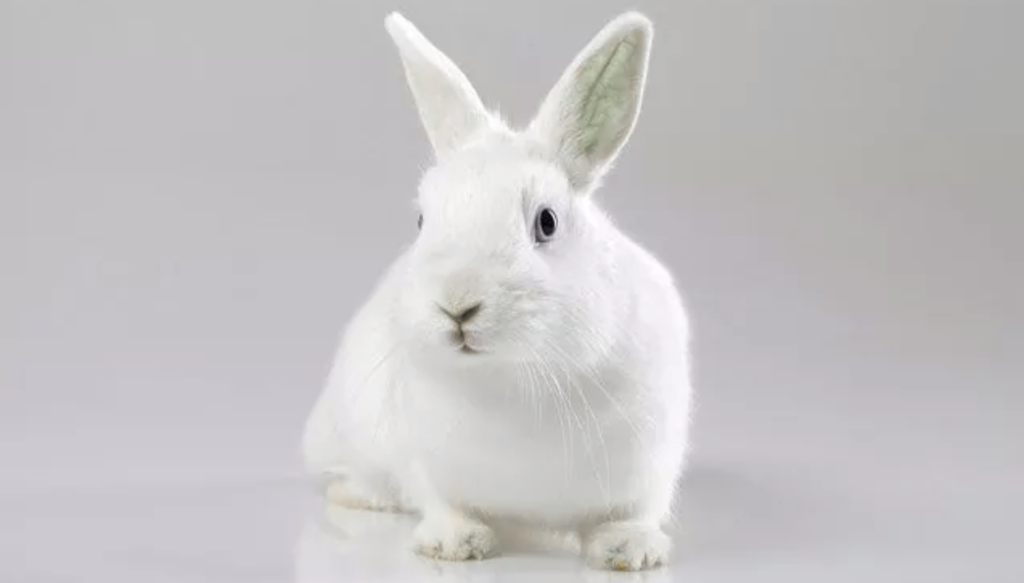
Vienna Rabbits are medium sized and with compact and round body and soft fur. Their blue eyes are their most noticeable characteristic as they are unique to other breed of rabbit species. The breed is also available in a number of colors such as white, black and blue.
• Size: It has a weight of 5-8 pounds.
• Coat: Short, dense, and soft.
• Eyes: Peculiar, intense blue.
Temperament
Vienna Rabbits are good pets, and they are known to be affectionate and calm. They are mostly friendly and like human contact and hence ideal companions to families. They are also inquisitive and mischievous and would always want to know what is going on around them.
• Affectionate: loves attention and affection.
• Curious: Loves to learn and be involved in the surrounding.
• Calm: Flexible and nonchalant, and therefore, they suit any home.
How to Care for Your Vienna Rabbit
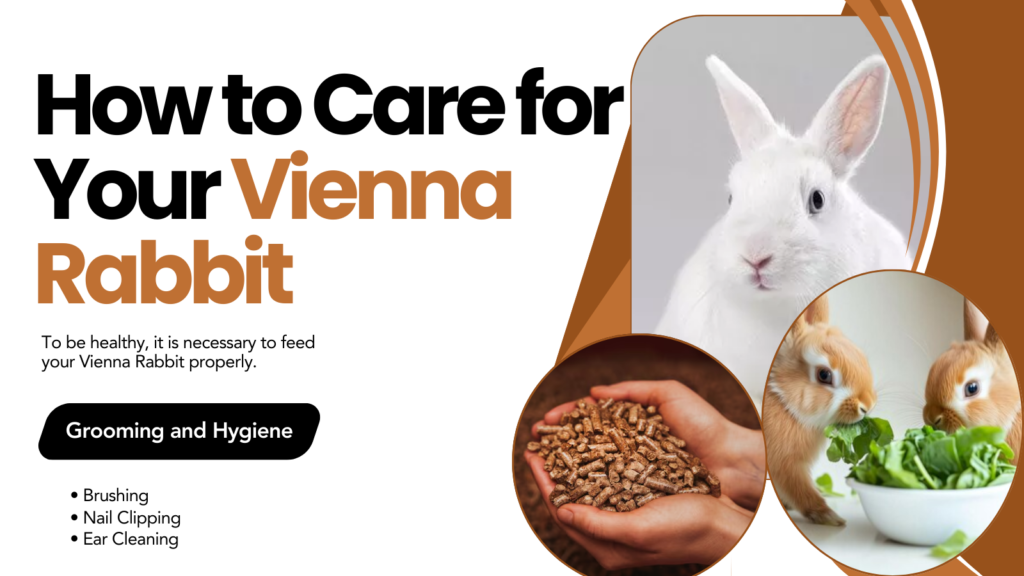
A Vienna Rabbit is relatively easy to take care of, given that it would demand diet, grooming, housing, and health consideration. We shall divide it into manageable parts.
Diet and Nutrition
To be healthy, it is necessary to feed your Vienna Rabbit properly. The perfect diet is composed of mainly of hay, fresh vegetables and good quality rabbit pellets.
• Hay: They must mainly be fed on fresh hay. A good option is timothy hay.
• Vegetables: Provide leafy greens such as kale, spinach and parsley.
• Pellets: Rabbit pellets are to be fed on sparingly, but in large quantities of fiber and low amounts of sugar.
• Water: Fresh/ clean water should be provided at all times.
Grooming and Hygiene
Although the fur of Vienna Rabbits is short, they have to be groomed regularly. Matting will be prevented by brushing their coat once a week which will also reduce shedding. Keep their ears, teeth, nails in order to maintain the general well-being.
• Brushing: One day per week to be sure that their coat is clean.
• Nail Clipping: Clip nails to prevent their overgrowth.
• Ear Cleaning: Never leave their ears unwashed, so that they may not be dirty or have an infection.
Housing Needs
It is important to give your Vienna Rabbit enough space. Regardless of whether they are kept inside the house or outside, they require a safe place whereby they are able to move freely.
• Housing Indoor: It should have a large cage or pen that is big enough to make hops.
• Outdoor Housing: In case you wish to keep them outside, make certain they have a safe hutch which will keep them safe against bad weather, as well as predators.
• Exercise: They need to be active and healthy by spending time out-of-cage every day.
Health and Wellness of a Vienna Rabbit
To keep your Vienna Rabbit healthy, it is essential to conduct regular check-ups and closely monitor the possible health complications. Being like any other rabbits, they stand a risk of some conditions which can be avoided in case of the appropriate care.
Common Health Problems
Vienna Rabbits are normally healthy but there are some health problems that are common and the owners need to keep an eye on:
• Dental Problems: Rabbits may have problem of overgrown teeth when they are not provided with enough hay to chew. It is significant to check up frequently.
• Obesity: Pellets or treats should not be over fed because it can be obese. Monitor their diet closely.
• Respiratory Infection: Watch out nasal discharge or wheezing this could be a respiratory infection.
Regular Vet Visits
Bring your Vienna Rabbit to see a doctor regularly, i.e. have it vaccinated and make sure that it is treated against parasites. The spaying or neutering is also strongly suggested to prevent the occurrence of health problems and unwanted behavior.
Training and Bonding with Your Vienna Rabbit
Rabbits are intelligent creatures and they can be trained to respond to simple instructions and use a litter box. To develop a good relationship, it is imperative that you establish a good connection with your Vienna Rabbit.
Litter Box Training
Majority of the rabbits are easy to litter train. Locate the litter box in a corner that your rabbit seems to use to relieve oneself and motivate your rabbit using positive reinforcement.
• Litter Box: Have litter that is rabbit safe i.e. paper based or wood pellets.
• Consistency: Rabbits require time to learn, and be patient and consistent.
Socializing Your Rabbit
Play with your Vienna Rabbit and have fun with him every day. They like human companionship and may easily be attached. Be tender and do not be abrupt when dealing with them to establish trust.
• Playtime: Provide toys, tunnels and other items to promote play.
• Bonding: Sit beside them and pet them to be able to create the positive relationship.
Conclusion:
The Vienna Rabbit is a lovely pet, a good animal with its peculiarities. With the right care, healthy diet, grooming and housing among other things, Your Vienna Rabbit will lead a long and happy life. This is a breed that would suit both a beginner to owning a pet and also those who have experience and need a pet they could love as well as control them. Vienna Rabbit can be a good family member in your house with the right training and bonding he/she will be a beloved member of your family.
FAQs: About Vienna Rabbits
1. Do Austrians keep Vienna Rabbits well?
And, yes Vienna Rabbits are not very demanding to take care of. They need balanced diet, frequent grooming and a lot of space in order to grow.
2. What is the life span of Vienna Rabbits?
Vienna Rabbits have a life span of 8 to 12 years with proper care.
3. What is the size of Vienna Rabbits cage?
The size of a cage must be big enough to allow them to move about with provision of a litter box, water and food. Here is space to explore, consider a pen or a playpen.
4. Do Vienna Rabbits coexist with other pets?
They are able to co-exist with any other pets such as guinea pigs or cats, but they must be introduced gradually.
5. What are Vienna Rabbits symptoms?
Watch out symptoms such as loss of appetite, tiredness, fluid discharge, stuffiness in the eyes or nose and trouble breathing all which can be symptoms of sickness.