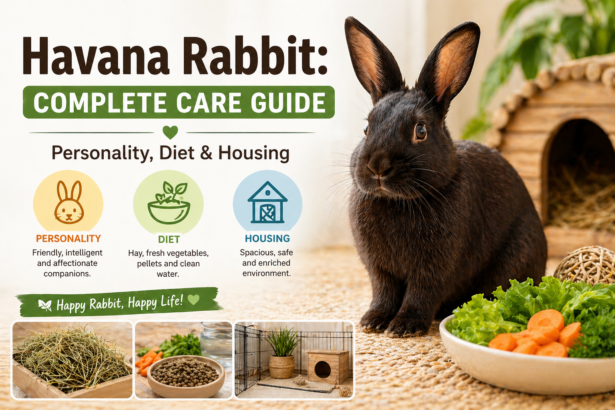
This comprehensive, beginner-friendly book will teach you all there is to know about the Tan rabbit breed, including personality, food, care advice, housing, and longevity.
- Tan Rabbit: Complete Guide to Care, Personality, Diet, and Housing
- What Is a Tan Rabbit?
- History and Origin of the Tan Rabbit
- Physical Appearance and Coat Colors
- Tan Rabbit Personality and Temperament
- Are Tan Rabbits Good Pets?
- Tan Rabbit Diet and Nutrition
- Essential Foods for Tan Rabbits
- 1. Hay (Primary Food Source)
- 2. Fresh Vegetables
- 3. Rabbit Pellets
- 4. Fresh Water
- Foods to Avoid
- Housing and Habitat Setup
- Grooming and Health Care
- Lifespan and Life Expectancy
- Conclusion:
- (FAQ)
Tan Rabbit: Complete Guide to Care, Personality, Diet, and Housing
Introduction
Though not all breeds have the same attitude, maintenance requirements, or look, rabbits are among the most endearing little pets. The rabbit can be the ideal option if you want a pet that is lively, stylish, and lots of personality.
Among domestic rabbit breeds, the This rabbit is unique due to its eye-catching coat pattern and energetic disposition. It is visually noticeable because to its sleek physique, glossy hair, and characteristic tan markings. However, attractiveness is simply one aspect of the situation.
Maintaining the health and happiness of this breed requires knowledge of appropriate housing, feeding, and care for Tan rabbits. Knowing more about rabbits enables you to provide them greater care, regardless of your level of expertise as a pet owner.
You will learn everything there is to know about the This rabbit breed in this book, including personality qualities, dietary needs, grooming advice, and habitat design. You will have a thorough understanding of how to grow a Tan rabbit that is both healthy and thriving by the end.
What Is a Tan Rabbit?
A tiny domestic rabbit breed, the Tan is distinguished by its unique coat pattern and attractive look. It was first created in the late 19th century in England.
This breed’s slender build and energetic disposition make it resemble a small hare. This rabbits are quite active and inquisitive, in contrast to many other rabbits who like to snooze.
Their distinct coat pattern consists of lighter tan patterns on some body parts and black outer hair.
Key Characteristics of Tan Rabbits
• The breed of small to medium-sized rabbits
• Usually weighs 4–6 pounds (1.8–2.7 kg).
• A strong and streamlined body type
• A shiny, short fur coat
• Unmistakable tan lines on the chest, belly, and eye rings
The rabbit is among the most aesthetically pleasing kinds of rabbits because of these characteristics.
History and Origin of the Tan Rabbit
Around the 1880s, the rabbit breed first appeared in England. It was created by crossing domestic breeds with wild rabbits.
The goal of early breeders was to produce a rabbit that combined the graceful nature of wild rabbits with the docile disposition of domestic varieties.
The breed’s distinctive color contrast and elegant body form contributed to its rise in popularity.
Development of the Breed
The creation of the Tan rabbit was influenced by several rabbit breeds:
- Dutch rabbits
- Silver rabbits
- Wild rabbits
Breeders created the renowned tan markings that currently characterize the breed via selective breeding.
Major rabbit groups now recognize Tan rabbits, which are frequently displayed in contests.
Physical Appearance and Coat Colors
The Tan rabbit’s unique coat pattern is one of its most appealing characteristics. The rabbit appears sophisticated due to the contrast between the dark and tan hues.
The breed features bright, expressive eyes, erect ears, and a sleek, athletic frame.
Common Tan Rabbit Colors
There are four recognized hues for tan rabbits:
- Black Tan
- Blue Tan
- Chocolate Tan
- Lilac Tan
Every version features lighter tan marks below a dark body.
Distinctive Markings
Common marks consist of:
- Tan-colored belly
- Eye rings
- Inner ears
- Chest and nostrils
- Under the tail
This rabbit is easily recognized because to these markings.
Tan Rabbit Personality and Temperament
The Tan rabbit has a lively, perceptive, and amusing nature. Compared to many other domestic rabbits, this breed is far more active.
This rabbit may be a wonderful companion if you like to engage with your pet.
Key Temperament Traits
- Highly active and energetic
- Curious and intelligent
- Social with proper handling
- Alert and responsive
Tan rabbits need a lot of stimulation and exercise because to their high energy level.
Are Tan Rabbits Good Pets?
Tan rabbits may indeed make wonderful pets. They work best, nevertheless, for proprietors who can offer:
- Daily interaction
- Adequate space for movement
- Mental stimulation through toys
They might get bored or anxious if they aren’t doing anything.
Tan Rabbit Diet and Nutrition
For Tan rabbits to stay healthy and avoid intestinal issues, a balanced diet is crucial.
This rabbits need a diet high in fiber because they are herbivores like other rabbits.
Essential Foods for Tan Rabbits
The primary elements of a nutritious diet consist of:
1. Hay (Primary Food Source)
Approximately 70–80% of the diet should consist of hay. It promotes dental and digestive health.
Some good choices are:
- Timothy hay
- Orchard grass
- Meadow hay
2. Fresh Vegetables
Healthy vegetables include:
- Romaine lettuce
- Spinach (occasionally)
- Carrot tops
- Cilantro
3. Rabbit Pellets
Although they offer extra nutrients, pellets should only be used seldom.
4. Fresh Water
Always supply fresh, clean water in a bottle or dish.
Foods to Avoid
Avoid feeding:
- Chocolate
- Onions
- Garlic
- Iceberg lettuce
- Sugary treats
These foods can lead to major health problems.
Housing and Habitat Setup
Comfort and safety are guaranteed when a suitable Tan rabbit habitat is created.
This rabbits need more room than some other breeds since they are active.
Ideal Housing Setup
A decent rabbit’s home should have:
- Spacious enclosure or cage
- Soft bedding material
- Litter box
- Hay feeder
- Water bottle or bowl
The rabbit should be able to stretch and stand up straight in the cage.
Exercise Requirements
Tan rabbits require daily outside exercise.
Provide:
- Safe indoor play areas
- Tunnels and toys
- Chewing materials
Exercise promotes mental stimulation and helps avoid obesity.
Grooming and Health Care
This rabbits have short, easily maintained coats. Compared to long-haired rabbit breeds, grooming needs are modest.
However, maintaining your rabbit’s health requires routine maintenance.
Grooming Tips
- Brush the coat once a week
- Increase brushing during shedding seasons
- Trim nails every 4–6 weeks
- Check ears for dirt or infection
Common Health Issues
Tan rabbits are susceptible to specific health issues, much like many other rabbits.
Among them are:
- Dental overgrowth
- Gastrointestinal stasis
- Ear mites
- Obesity
Frequent veterinarian examinations aid in the early detection of problems.
Lifespan and Life Expectancy
When given the right care, a Tan rabbit’s lifetime can range from 8 to 12 years.
Longevity is influenced by a number of elements, including as nutrition, surroundings, and veterinary treatment.
Tips to Extend Your Rabbit’s Lifespan
- Provide a high-fiber diet
- Maintain regular exercise
- Keep living areas clean
- Schedule routine vet visits
- Reduce stress and loud environments
This rabbits may live long, healthy lives if given the right care.
Conclusion:
The Tan rabbit is a stunning and active breed of rabbit distinguished by its sophisticated look and lively disposition. This rabbit distinguishes out among domestic varieties because to its sleek coat, unique tan markings, and energetic personality.
But it takes dedication to own a Tan rabbit. When given a healthy diet, roomy housing, and frequent socialization, these bunnies flourish.
You can make sure your Tan rabbit is healthy and content for many years by giving them a balanced diet, a secure home, and a regular care schedule.
This rabbits may be devoted and amusing pets, regardless of your level of expertise with rabbits.
(FAQ)
1.Are tan rabbits suitable for novices?
Beginners who are prepared to give exercise and contact may find tan rabbits to be a good fit. Their vivacious nature need careful attention.
2. What is the maximum size of This rabbits?
Tan rabbits are classified as a small to medium-sized breed and usually weigh between 4 and 6 pounds.
3. Do tan rabbits need a lot of grooming?
No, they just need to get their nails trimmed once in a while and brush their short coat once a week.
4. Is it possible to keep This rabbits indoors?
Yes, as long as they have adequate room and regular exercise, tan rabbits do well inside.
5. What is the diet of This rabbits?
In addition to having continuous access to fresh water, their main diet consists of hay, fresh vegetables, and small amounts of pellets.