Learn all you need to know about the Dutch rabbit, including its personality, food, housing, longevity, and tips for both novice and expert care.
Dutch Rabbit: Complete Care Guide for Owners
Introduction
Are you trying to find a pet rabbit that is amiable, attractive, and manageable? The Dutch rabbit could be the ideal option. This breed has grown to be one of the most well-liked domestic rabbits in the world because to its striking black and white markings and serene disposition.
You will like the Dutch rabbit’s versatility and sociability if you are new to it. Its intellect and reasonable size will be appreciated by those with experience. This breed is renowned for forming strong bonds with kids and families.
Everything you need to know about caring for Dutch rabbits is covered in this tutorial. We’ll talk about disposition, food, housing, health, lifespan, and grooming. You’ll know exactly how to maintain your rabbit’s happiness and health by the end.
Let’s examine why the Dutch rabbit is still a popular choice among pet rabbits.

What Is a Dutch Rabbit?
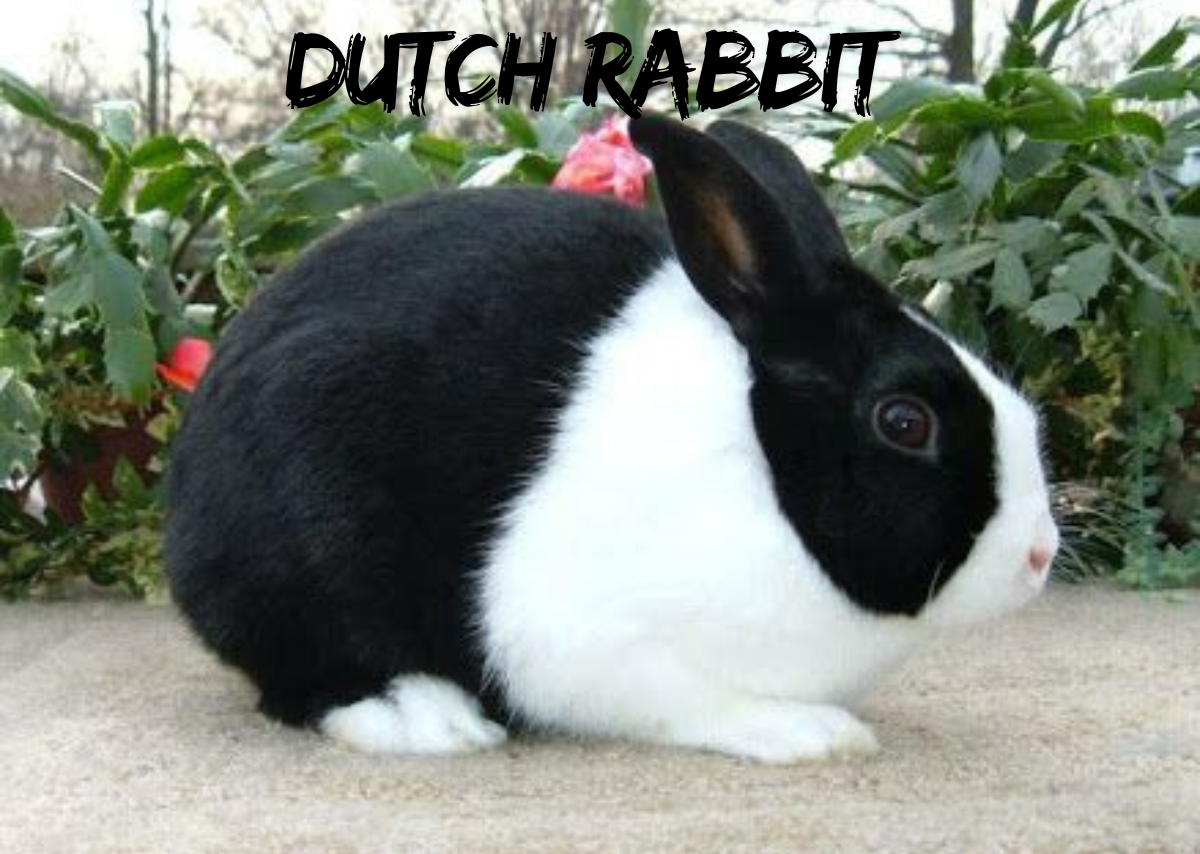
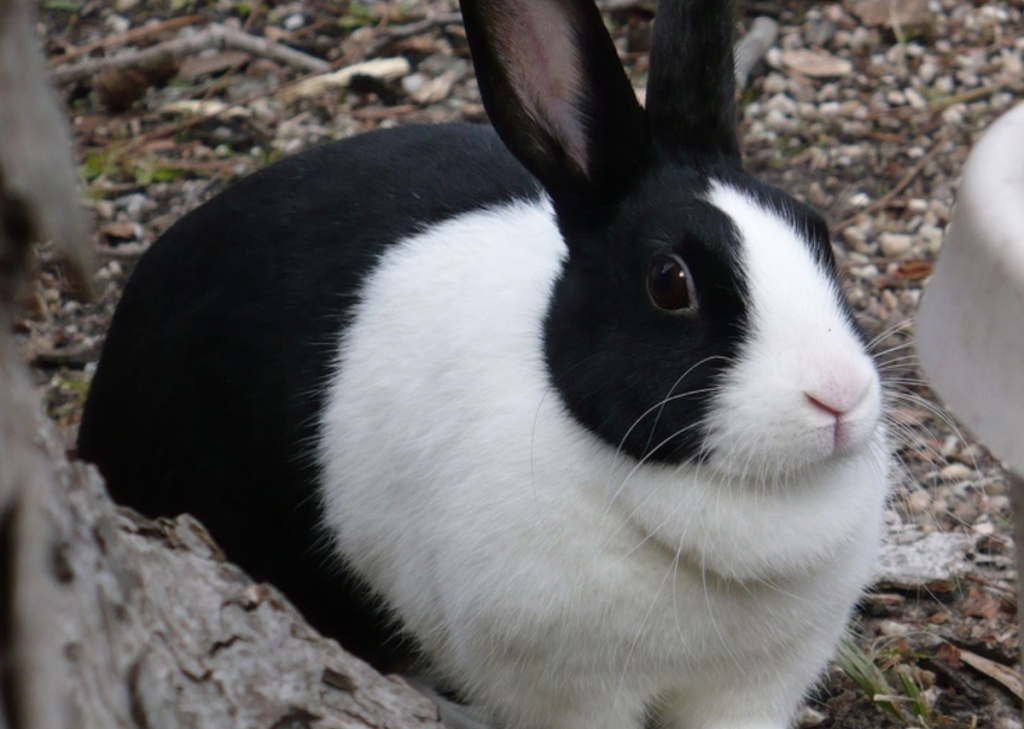
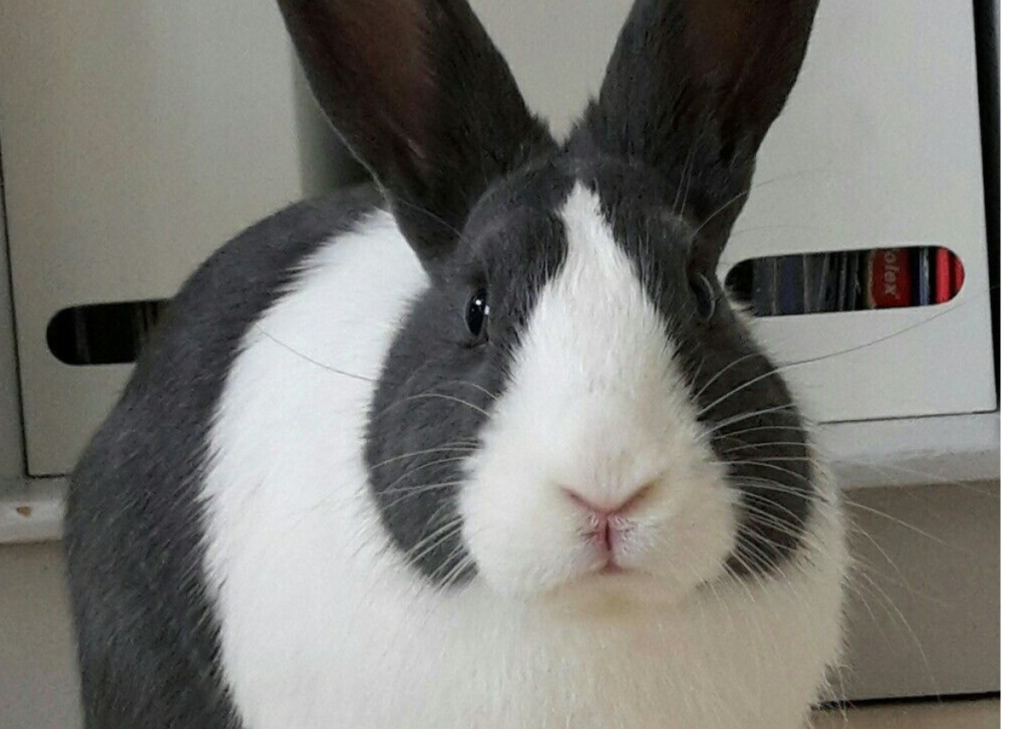
A domestic rabbit breed that ranges in size from small to medium is the Dutch rabbit. It is well-known for its unique color scheme. The face, chest, and front feet are usually white, whereas the body is usually dark.
The breed was not created in the Netherlands, despite its name. In actuality, it was created in England in the 1800s. It eventually rose to prominence as one of the world’s most recognizable rabbit breeds.
Physical Characteristics
Dutch rabbits are round-headed and compact. Their ears have a medium length and stand straight.
Among the essential features are:
• Weight range: 3.5–5.5 lbs.
Fur that is thick and short
• A noticeable white fire on the face
• Varieties of color include tortoise, gray, chocolate, blue, and black.
In rabbits of show quality in particular, their markings must be symmetrical.
Lifespan
A Dutch rabbit may survive for five to eight years if given the right care. Those that receive good foods and veterinary treatment even live longer.
Regular checkups, clean housing, and a healthy lifestyle may all greatly extend life expectancy.
Dutch Rabbit Temperament and Personality
The Dutch amiable disposition is one factor contributing to its widespread popularity. This breed is gregarious, smart, and serene.
Dutch rabbits fit quite nicely with their families. They may develop close relationships with their owners and love socializing.
Are Dutch Rabbits Good Pets?
Indeed, they make wonderful pets for:
• Households with kids
• New owners of rabbits
• Residents of apartments
• Elderly
Though not extremely energetic, they are lively. They like being handled gently and having their minds stimulated.
Intelligence and Training
Dutch are intelligent. If you are patient, you can litter-train them.
They pick up routines fast as well. Some owners even use motivation and rewards to teach basic skills.
They do, however, require regular interaction, just like any other rabbit. A bored rabbit could gnaw on cables or furniture.

Dutch Rabbit Diet and Nutrition
The health of your Dutch rabbit depends on eating the right food. Balance is crucial for rabbits because of their delicate digestive systems.
A Dutch rabbit’s diet should consist mostly of high-quality hay.
Essential Foods
Give your rabbit food:
• Timothy hay without restriction
• Fresh leafy greens, such as ginger, parsley, and romaine lettuce
• Limited pellets of high fiber
• Every day, fresh water
Hay promotes healthy digestion and guards against tooth issues. Make sure it’s always dust-free and fresh.
Foods to Avoid
Don’t feed:
• Iceberg lettuce
• Chocolate
• Bread
• An abundance of sugary fruits
Obesity might result from eating too many pellets or snacks. Fruit should only be used as a rare reward.
Housing and Environment
Your Dutch rabbit need a roomy and secure habitat. A little cage is insufficient.
Every day, rabbits need space to jump, stretch, and explore.
Indoor Housing
It is advised to live inside. It shields your rabbit from harsh weather conditions and predators.
Give:
• An exercise pen or large enclosure
• Cozy bedding (steer clear of cedar shavings)
• Litter box
• Play with toys
Make sure there is enough airflow and natural light.
Exercise Needs
Dutch rabbits require daily exercise outside of their cage for at least three to four hours under supervision.
Establish a rabbit-proof zone by:
• Keeping electrical cables covered
Eliminating harmful plants
• Closing up little areas
Obesity and boredom are avoided by exercise.
Grooming and Health Care
Despite their relative minimal care requirements, Dutch rabbits nonetheless require routine cleanings and examinations.
Compared to breeds with long hair, those with short fur require less maintenance.
Grooming Tips
Give your Dutch rabbit a brush:
• Typically, once a week
• During the shedding season, more frequently
Every month, examine your nails. Carefully trim them, or have an animal expert do it.
Keep an eye on your teeth as well. The teeth of rabbits are constantly growing. Overgrowth can be avoided with the right hay intake.
Common Health Issues
Keep an eye out for:
• Dental issues
Stasis of the digestive tract
• Ear mites
• Obesity
Contact a bunny-savvy veterinarian right away if your rabbit stops eating or starts to show signs of lethargy.
Regular veterinary care enhances long-term health.
Is a Dutch Rabbit Right for You?
Think about your lifestyle before adopting. Dutch rabbits require dedication, time, and room.
They require a lot of work as pets. They need regular attention and care.
Ideal Owner Profile
You fit in well if:
• You may offer regular communication.
• Your interior area is secure.
• You are aware of how rabbits behave.
• You make a five-year commitment.
Rabbits are friendly creatures. If at all feasible, think about adopting a bonded pair.
Cost of Ownership
Anticipate costs for:
• Setting up the protected area
High-quality pellets and hay
• Veterinary treatment
• Grooming products and toys
Making a budget guarantees that your rabbit will get the care it needs.
Conclusion:
Many homes find the Dutch to be a lovely, clever, and controllable pet. It is one of the most popular domestic rabbit breeds because of its eye-catching look and amiable disposition.
Your Dutch rabbit may live a long and healthy life if it is fed a balanced food, kept in a secure environment, and receives regular veterinarian treatment. Keep in mind that rabbits are sensitive and gregarious creatures. They require daily care, patience, and respect.
A Dutch rabbit may be a devoted and loving friend if you are prepared for the commitment. Spend some time getting your house ready for adoption.
A healthy rabbit is more than simply a pet. It becomes a member of your household.
FAQ
1. What is the maximum size of a Dutch rabbit?
The average weight of a Dutch rabbit is 3.5 to 5.5 pounds. This breed is categorized as tiny to medium.
2. Are novices able to handle Dutch rabbits?
Indeed. They are perfect for first-time rabbit owners because of their kind disposition and small stature.
3. What is the lifespan of a Dutch rabbit?
They may survive for five to eight years if given the right care. With good health management, some people may live longer.
4. Is regular exercise necessary for Dutch rabbits?
Indeed. Every day, they need to exercise outside of their cage under supervision for at least three to four hours.
5. How should a Dutch rabbit be fed?
The optimal diet consists of fresh leafy greens, restricted pellets, unlimited timothy hay, and continuous availability to clean water.