Meta Description: Learn the character, caring, and health requirements of Burmese Cats. Introduction to this loving breed: everything a beginner and an expert should know about this adorable breed.
Burmese Cats: A Complete Guide to Their Personality, Care, and Health Needs
Introduction: Why Burmese Cats Might Be the Perfect Companion for You
The cats of Burmese breed are loved by nature, beautiful in appearance, and active. It might be your first cat or you are an advanced pet owner, but the Burmese cat might be the companion you are seeking. The impressive look of this breed, the smooth coat and the expressive eyes is not the end.
Not only are Burmese cats very pretty, but they are also extremely loving and social, and thus are a great addition to the family, singles and everyone who wants a feline friend that is loyal. But what makes them special? What will you do to feed a Burmese cat to keep it alive in your house?
This paper will discuss all you should know about Burmese cats including their peculiarities, their health issues, and their care needs. Ready to learn more? We shall enter into the Burmese cat world.
What Are Burmese Cats?
Overview of the Burmese Cat
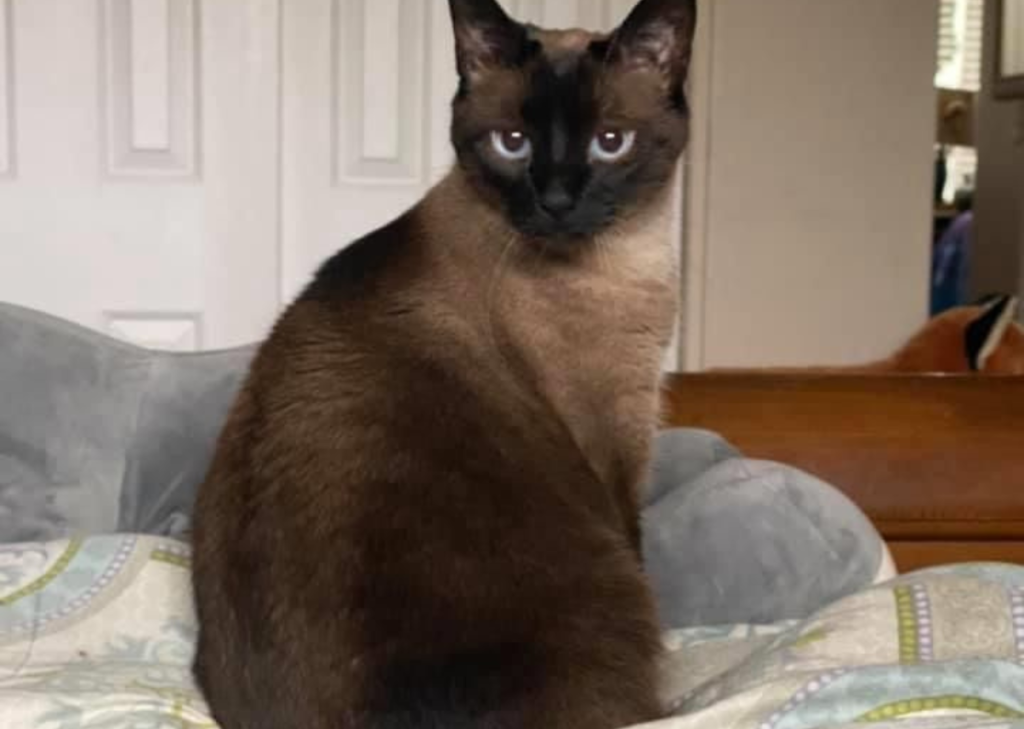
The Burmese cats are the medium-sized breed, which is muscular, short-haired and lovable. These cats are the product of crossbreeding the Siamese cats with local Burmese cats, and hence they are both attractive and friendly.
• Build and Size: Burmese cats are small and muscular. They have a weight of between 8-12 pounds with the female being a little smaller compared to the male.
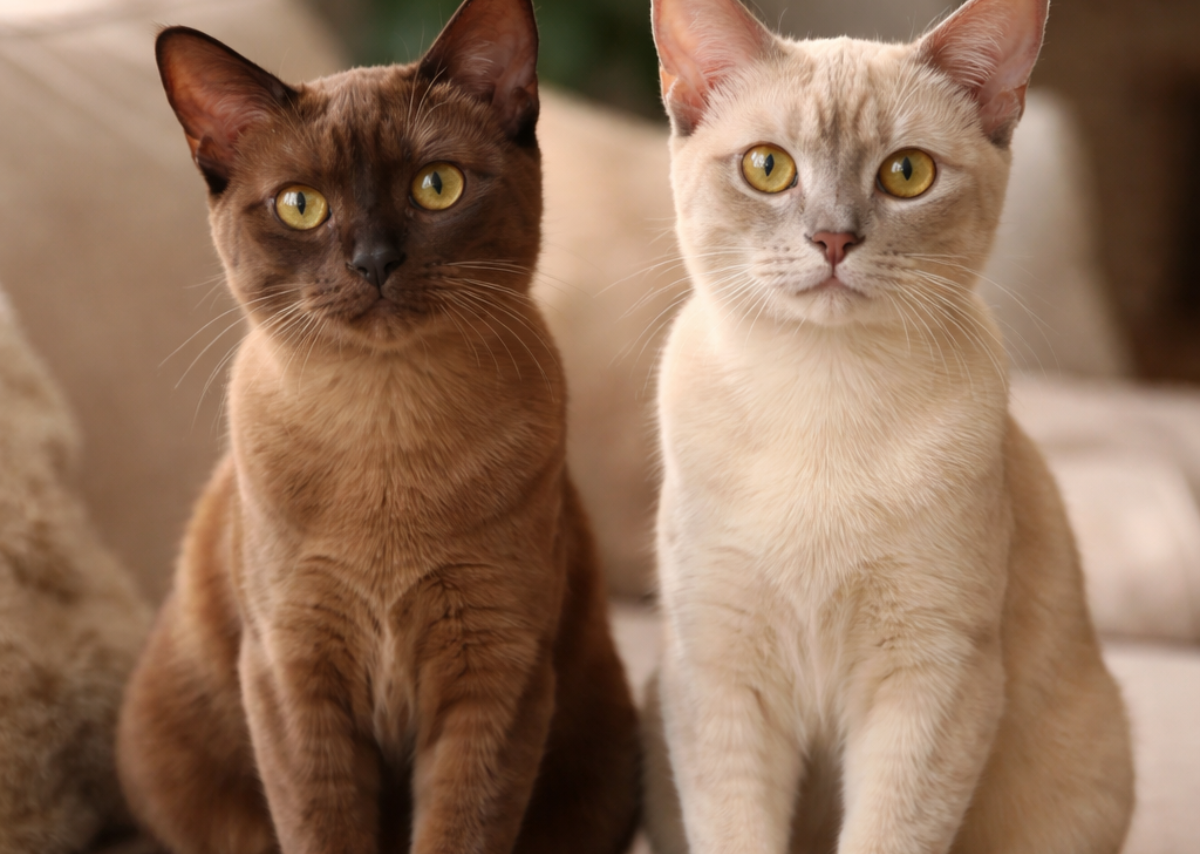
• Coat and Color: The coat is short, fine and it is laid flat against the body, thus giving them a smooth appearance. They exist in a variety of colors although the most popular ones are sable (dark brown), champagne and blue.
• Eyes: Burmese cats possess large and round eyes that are normally golden or amber in color and this contributes towards their marvelous appearance.
The Burmese cats are known to be very affectionate and are also called people cats since they like to be in the company of their human companions.
The History of Burmese Cats
The history of the Burmese cats is interesting as it goes back to Southeast Asia. The breed is thought to have been a result of the interbreeding of the Siamese and the native Burmese cat.
· Sources: Wong Mau was the first Burmese cat to be imported into the United States. She is deemed as the breed founder.
- Recognition: Burmese cats became formally registered by cat registries in the 1950s and the breed became popular because it was friendlier and had a beautiful appearance.
The Burmese cats are currently among the most popular breeds of cat that are widespread in the world due to their loving personalities and easy tempered nature.
Burmese Cats Personality and Temperament
Affectionate and Social
The Burmese cats are characterized by high affection to their human companions. They are playful and require human companionship, and tend to accompany their owners everywhere in the house.
• Loyal Companions: These cats are very loyal and they tend to attach themselves to its master. They love to sit on lap, to be petted and to have a good time with their family members.
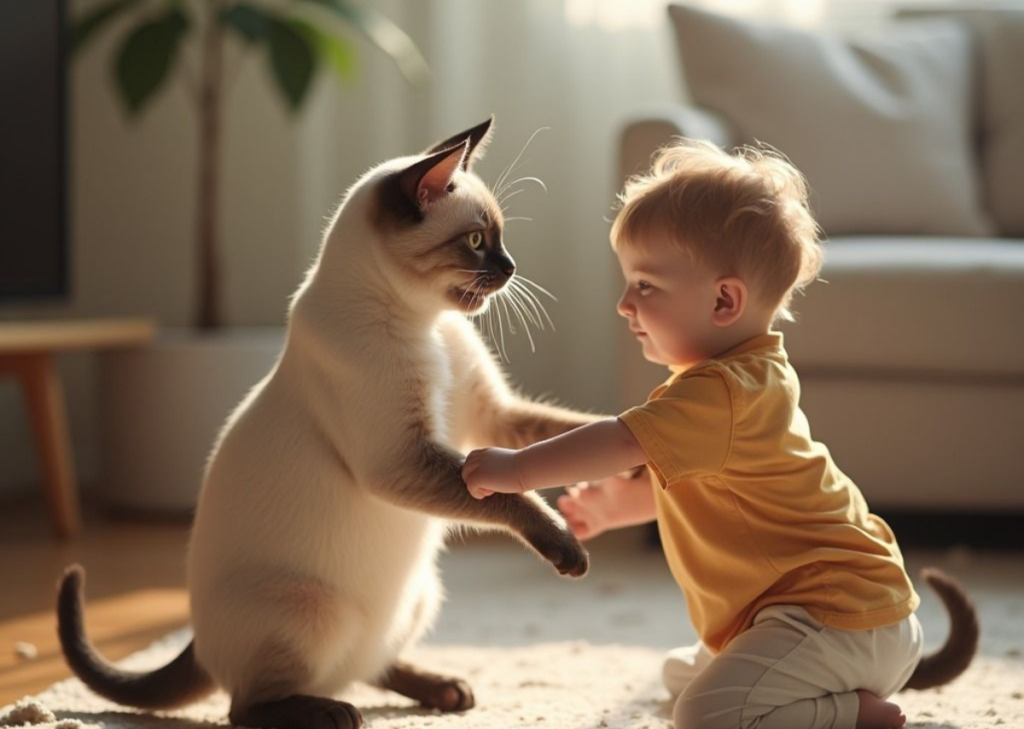
• Friendly to Kids and other Pets: Burmese cats are said to be good companions to kids and other pets and this makes them a great partner to a family with more than one pet.
A Burmese cat is a good choice in case you are interested in a cat that is going to stay with you all the time.
Playful and Energetic
Burmese cats are also playful though they are affectionate. They like interactive play with their owners and are considered to be very energetic.
• Interactive Play: These cats enjoy playing with such toys as feather wands, balls and laser pointers. They also like climbing and exploring their world.
• Curiosity: The Burmese cats are an inquisitive animal and it prefers exploring the environment. This is a playful and curious behavior and therefore they require frequent stimulation to avoid boredom.
Giving your Burmese cats a sufficient playing time will ensure that they are kept busy physically and mentally.
Vocal and Communicative
Burmese cats are also vocal though not as loud as the Siamese cats. They use chirps, the sounds of an meow and purr and frequently demand what they want or need using their voices.
• Social Communication: Burmese cats talk to their owners. They will announce their needs be it requesting attention or food.
• Non-Aggressive: They are not vocal in being aggressive. Their gentle and tender meows are rather a means of preserving the communication with their human beings.
And in the event that you like a talking cat, the Burmese is also a pet, which is a professional in this field.
Caring for a Burmese Cats
Grooming and Maintenance
Burmese cats possess a short and fine coat and do not need much grooming. Nevertheless, frequent brushing will keep them shiny and minimize shedding.
• Brush: Have your Burmese cat brush once a week to get rid of dead hairs and have their hair shiny.
• Bathing: Burmese cats do not need to be bathed frequently as opposed to long-haired cats do. Washing them in a few occasions suffices to clean them.
• Nail Care: Have their nails clipped on a regular basis so that they do not over grow and keep your cat comfortable.
Generally, the Burmese cats are not that demanding in terms of grooming.
Feeding and Diet
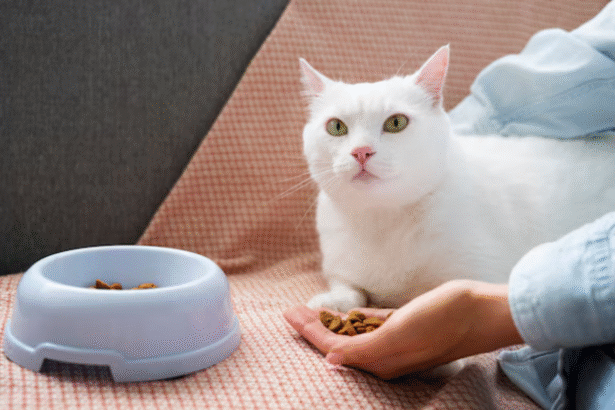
Healthy and well balanced diet is very important to your Burmese cat. They are like all cats in that they require high-protein content in their food to keep them active and well-built.
• Quality Food: Select quality cat food that is meat based. Make sure that you find food items in which the primary ingredient is real meat.
• Portion Control: Burmese cats are likely to get obese and therefore the food intake should be controlled and it should not be overfed.
• Hydration: It is important to always keep your cat hydrated with fresh water and this more so when they are taking in dry food.
You can make your Burmese cat have a long and healthy life by offering him proper nutrition.
Exercise and Mental Stimulation
Burmese cats are energetic and clever and require much physical and intellectual activity. Interaction with their owners and playtime is critical in ensuring that they are happy.
Toys: They should be provided with interactive toys that can stimulate them to run, pounce, and explore. Simulation prey toys such as feather wands are very popular.
• Climbing Structures: Burmese cats are fond of climbing and thus, having cat trees or shelves would give them a place to perch and be able to scan the surrounding.
• Socialization: Have good time with your Burmese cat. They are people-oriented and like being in the spotlight.
Burmese cat exercise and play will help you to maintain your cat in good physical and mental condition.
Health Considerations for Burmese Cats

Common Health Issues
Burmese cats are healthy and like any other breed can be subject to some health issues. By understanding such conditions, you will be able to prevent and deal with possible problems.
• Hypokalemia: It is a genetic complication that impacts the quantity of potassium in the blood which causes weakness and fatigue in the body.
• Burmese Respiratory Syndrome: Burmese cats also have a short face and therefore can be susceptible to breathing problems especially during warmer weather.
• Dental: Burmese cats can be vulnerable to dental problems, and therefore, dental checkups and dental care are necessary.
Conclusion: Is a Burmese Cats Right for You?
Burmese cats are loving, playful and very social hence make good companions to families, singles and anyone who would require a faithful cat. They have beautiful looks and possess a loving personality that makes them outstanding among other cat breeds.
Providing companionship over the years together with your Burmese cat is possible by knowing their care requirements, keeping them healthy, and happy.
FAQ Section Burmese Cats
Q1: Are Burmese cats hypoallergenic?
Burmese cats not hypoallergenic at all. They shed like other cats and produce allergens, but some allergy sufferers report suffering less with the short hair varieties.
Q2: How many years do Burmese cats live?
Burmese Cats have a life expectancy of 12 to 16 years but some may live longer if well cared for.
Q3: Are Burmese cats highly active?
Answer: Yes, Burmese cats are highly energetic and they need regular physical activities to keep fit. Interactive play is great to do with them for stimulation.
Q4: What is a good diet for a Burmese cat?
Burmese Cats Diet – what can they eat A high-quality, high-protein diet is the best for Burmese cats. Search for cat food that has real meat as the first ingredient and closely watch their portion sizes so they don’t become obese.
Q5: Do Burmese cats get along with kids?
Yes, Burmese are very people oriented. They are usually good at having children and other animals around.