Meta Description: Discover the unique traits, care tips, and health facts about Bengal cats. Perfect for beginners and experts looking for insights into these beautiful pets.
Bengal Cats: The Ultimate Guide to Caring for These Beautiful Pets
Introduction
The Bengal cats have been termed as domestic cats with wild twist. Their bold burial, suggesting leopards, with a sweet, loving nature, has endears them to a score of cat lovers. You can adopt a Bengal cat or just want to learn more about these interesting felines, and this guide is the place where you will find all the information you will ever need in the case. We know everything about them, including their history and their temperament, as well as tips on how to take good care of them. You might be interested in knowing the reason why Bengal cats are special, or how you can improve your relationship with the cat, then you are in the right place. Now the time has come to explore the world of Bengal cats and make wise choices, in order to have a successful companionship.
What Are Bengal Cats?
History and Origins
The Bengal cats are exotic in appearance but their origin is domestic catbreeding. During the 1980s, a domestic cat was crossed with an Asian leopard cat ( Prionailurus bengalensis ) which is an indigenous species of Asia to produce the first bred. The result of this cross was a breed that has been found to capture the beauty of the wild cats and still have the domesticated temperament of a house cat.
Appearance
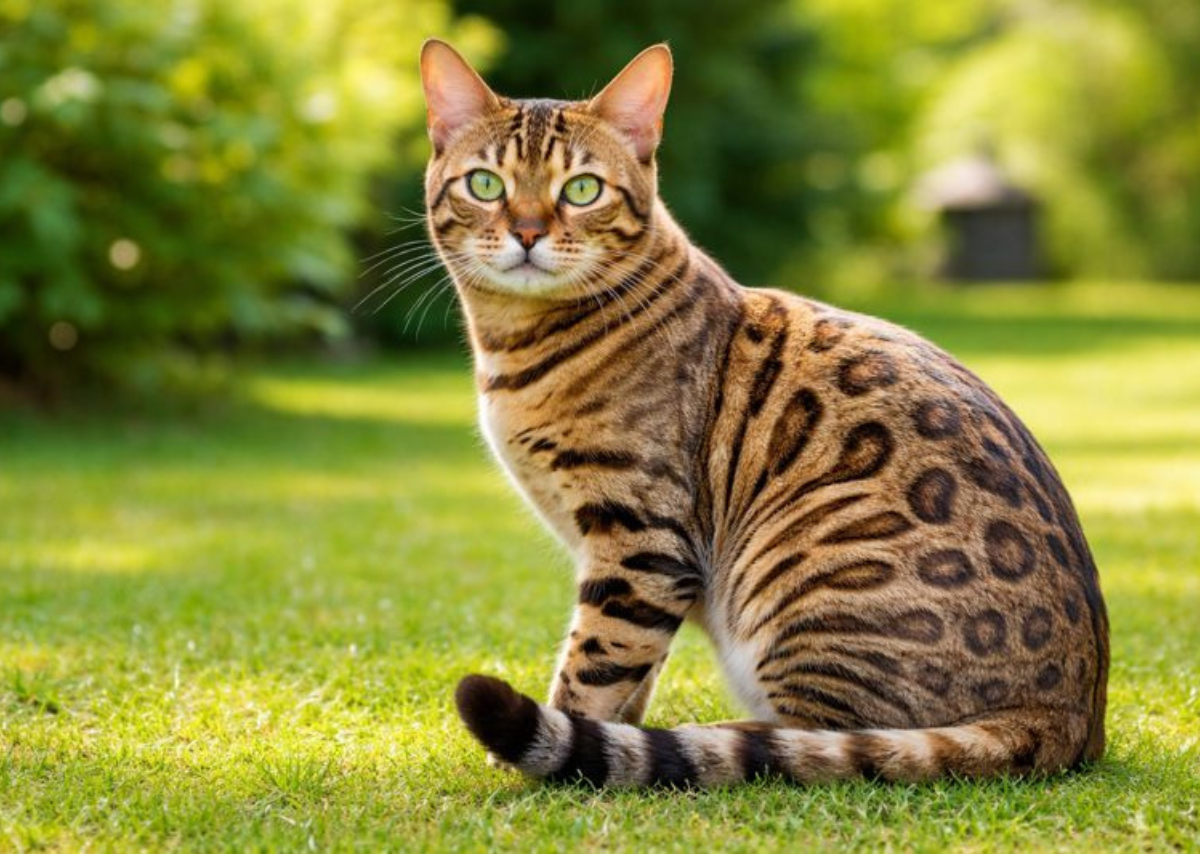
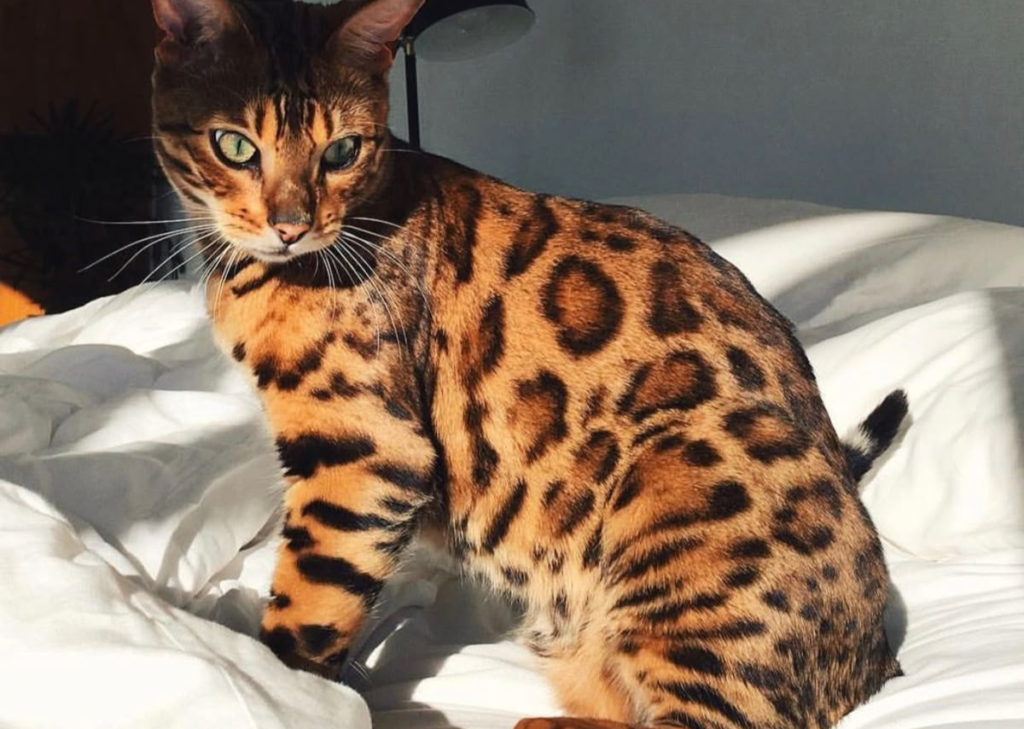
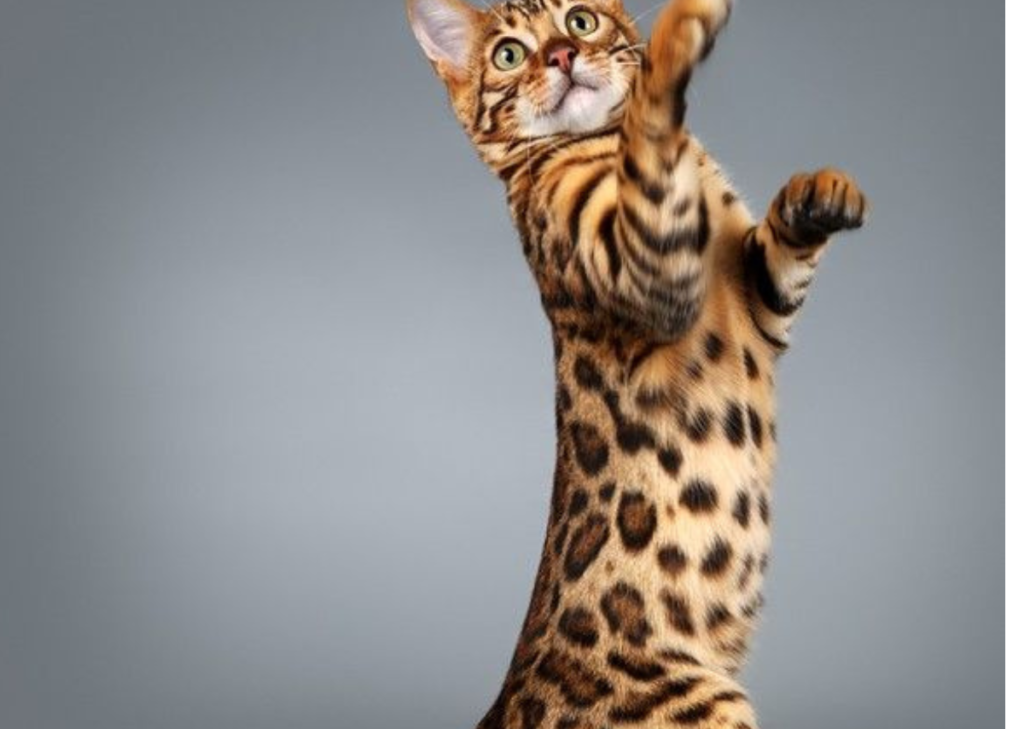
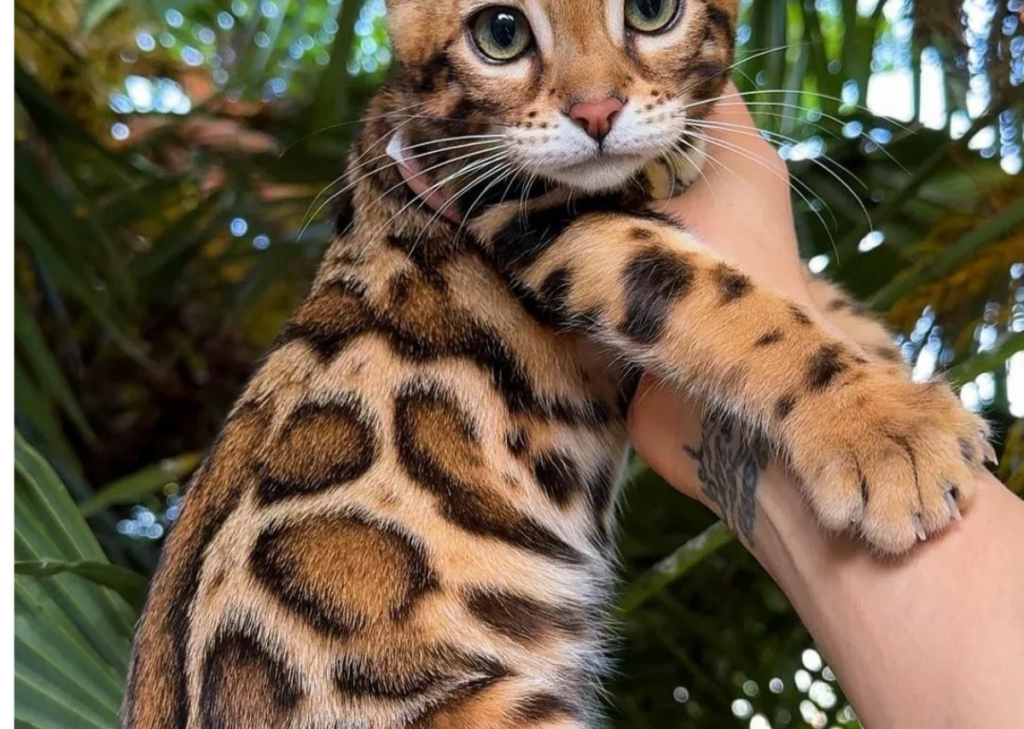
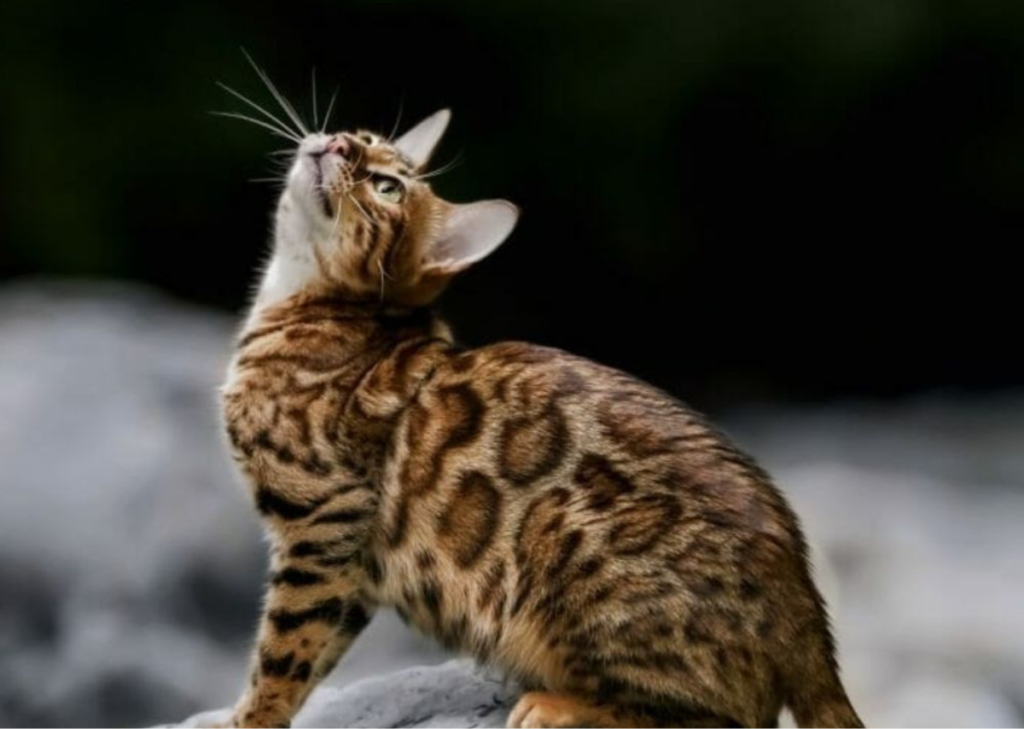
The leopard-like coat is the most common characteristic of Bengal cats. They are smooth skinned and muscular with a pattern of spots or marbles on their fur that is noticeable. Their coat is reefy, but thick, and is frequently glittering under the light by a kind of shine known as glitter. Bengals have different colors; however, the brown-spotted is the most common.
Size and Weight
Bengal cats are medium to large sized cats, which normally weigh between 8 to 15 lbs. Males are generally larger than the females while some of them weigh as much as 20 pounds. Their muscular structure contributes to their wild look, and it is necessary to mention that despite their size, Bengals can be called active and nimble cats.
Bengal Cat Personality and Temperament
Active and Playful
Bengal cats are very active and they enjoy playing. They are smart and inquisitive and they tend to find new things to occupy them. Their playful characters ensure that they can be used in active homes where they can be able to experiment and expel energy. A Bengal will love the things such as the interactive toys or climbing structures provided they are available.
Loving but Self-Sufficient
Although they are reputed to be affectionate, Bengal cats like to be independent as well. They will be attached to their members of the family, yet they are not the kind who will require their attention at all times. This balance ensures that they are apt to owners who have the capability of allowing them their playtime as well as personal space.
Social and Dog-Like Traits
Bengal cats are sociable to an abnormal extent among feline species. They are dog like and therefore they get along well with other pets or dogs in particular. They are able to be taught tricks and commands, are frequently brought to carry things, and sometimes even put on a leash. Bengals are easy to train and the important thing is to be patient and consistent.
How to Care for a Bengal Cat
Diet and Nutrition
A diet that is rich in proteins is the key to a healthy Bengal. Bengals need a balanced diet to be able to keep their body energy and muscle mass levels high. Choose cat food that is of high quality and has meat as the main ingredient and never buy foods that contain fillers such as corn or soy. The water must be kept fresh in order to avoid dehydration.
Grooming Needs
Bengal cats, no matter how beautiful their color is, are comparably easy to maintain in terms of grooming. Brushing on a regular basis particularly during their shedding period assists in reducing hairballs and maintains their coat in the best possible condition. Bengal cats do not need to be groomed professionally unless the cat has special issues such as skin issues.
Litter Box and Hygiene
Bengals are the purrine cats and they tend to enter the litter box. Make sure that the litter box is spacious so that they can move freely. It must be clean so that there are no problems as Bengals are sensitive to their hygiene.
Bengal Cat Health: Common Issues
Hypertrophic Cardiomyopathy (HCM)
Hypertrophic Cardiomyopathy (HCM) is a heart disorder that is prevalent in Bengal cats especially those having a family history of the disorder. Vet check-ups must be regular to identify any heart disease signs at an early stage, i.e., lethargy or difficulties in breathing.
Hip Dysplasia
Though not common, Bengal cats may also be affected by hip dysplasia, which is a genetic disorder, which impacts the hip joint and may result in arthritis. Reducing the risk can be achieved by making sure your Bengal is not overweight and ensuring that exercises are conducted on a low frequency and low intensity.
Sensitivity to Temperature
The Bengal cats can be more susceptible of extreme temperatures because of their short coat and muscular look. Also ensure that they are stored under controlled temperature conditions particularly when it is hot during summer or cold during winter.
Training Your Bengal Cat: Tips and Techniques
Use Positive Reinforcement
Bengals are positive reinforcement respondents. It will also serve to build the relationship between you and your cat when you give them treats and praise whenever they do as you’ve asked or when they do what you want them to do. Punishment should also be avoided because Bengals respond negatively to it.
Leash Training
You can take your Bengal out on a leash and out in the yard and both can have a good time together. Break him into a harness first and when you get him used to that, first take him out. You should wait, and leave your cat to wander at his pace.
Litter Training
The majority of the Bengal cats are preconditioned to use a litter box, yet it is important to be consistent. Store the box in a good location, which is accessible and clean. It is advisable not to switch the type of litter too frequently in order not to confuse your cat.
Conclusion:
Bengal cats are rare, gorgeous and they have a lot of character. Their wild look and riotous and playful manners enable them to be good companions to the owners who treat them in the right way. They may need attention and care, but they are as intelligent and loving as they are devotionately loving, which makes them a good pet to keep at home. A Bengal cat can be a very rewarding member of the family provided you are ready to satisfy them. Be it you are a seasoned cat owner or a first-time owner, learning about these amazing felines would see you establish a strong relationship with your Bengal and have a happy and healthy life together.
FAQs About Bengal Cats
1. Are Bengal cats hypoallergenic?
No, Bengal cats are not hypoallergenic. They cause equal rates of allergens like other cats. Nevertheless, there are individuals who might discover that their fur gives fewer allergens than long haired cats.
2. How long do Bengal cats live?
The average lifespan of the Bengal cats is 12-16 years. Some of them can live longer with appropriate care.
3. Should Bengal cats be the pets of first-time owners?
Bengal cats are not a novice owner as they are very energetic and smart. They will however be rewarding companions to experienced cat owners who are ready to spend time in training and care.
4. Do Bengal cats shed a lot?
Bengal cats do not shed as much as other breeds do, however they shed periodically, particularly when there is a change of season. This can be reduced by brushing regularly.
5. What is the exercise requirement of a Bengal cat?
Bengal cats require exercise and this will make them healthy and happy. Give them interactive toys and climbing structures, and lots of time to play and get the extra energy out.