Introduction
In case you found yourself thinking about the idea of having a small, loved dog which is sizable enough to just be in your home, then you should take a closer look at the Netherland Dwarf Rabbit. These rabbits are known to be small in size, cute in appearance, and fun to play with, hence they are excellent company to an individual
#cutebunny
who lives in an apartment or home with limited space. Nonetheless, keeping a Netherland Dwarf Rabbit does not only mean feeding and keeping it warm. They have to know their special needs regarding the diet, living conditions, and treatment to be able to live happily and to be healthy.
We shall discuss all the relevant details of keeping a Netherland Dwarf Rabbit, their physical traits, behaviour, dietary and health requirements in this guide. We will also respond to some of the frequently asked questions (FAQs) to enable the new and potential rabbit owners make informed decisions. Regardless of whether it is your first pet or you are a long time rabbit lover, this article will equip you with all the information that you require to keep a Netherland Dwarf Rabbit.
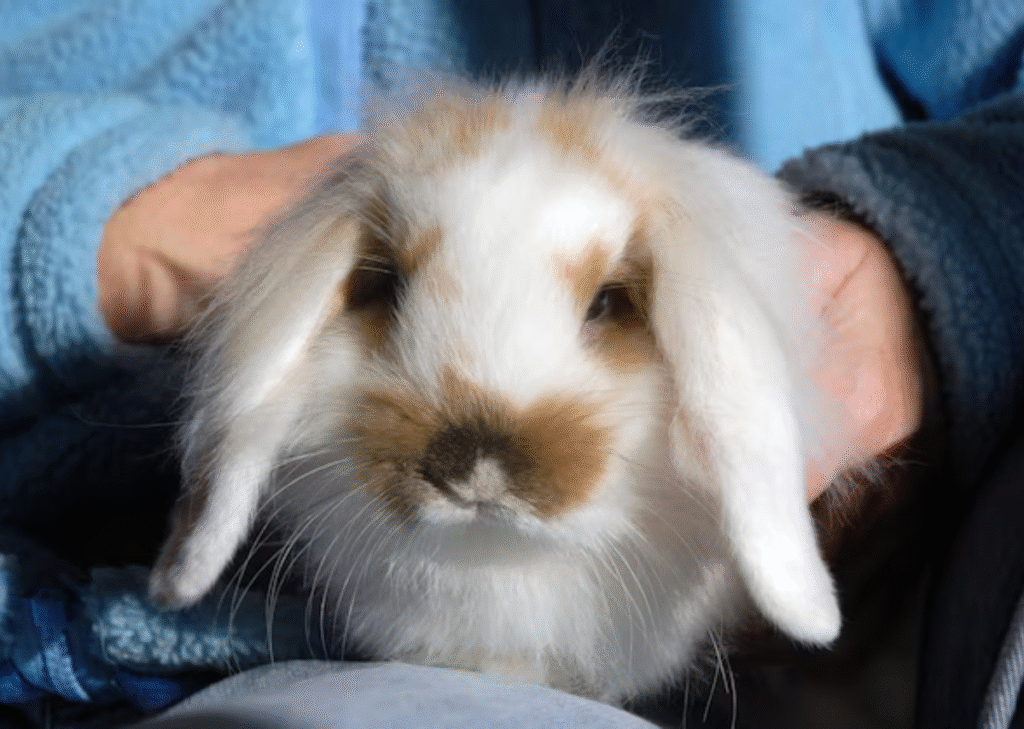
What is a Netherland Dwarf Rabbit?
Physical Characteristics
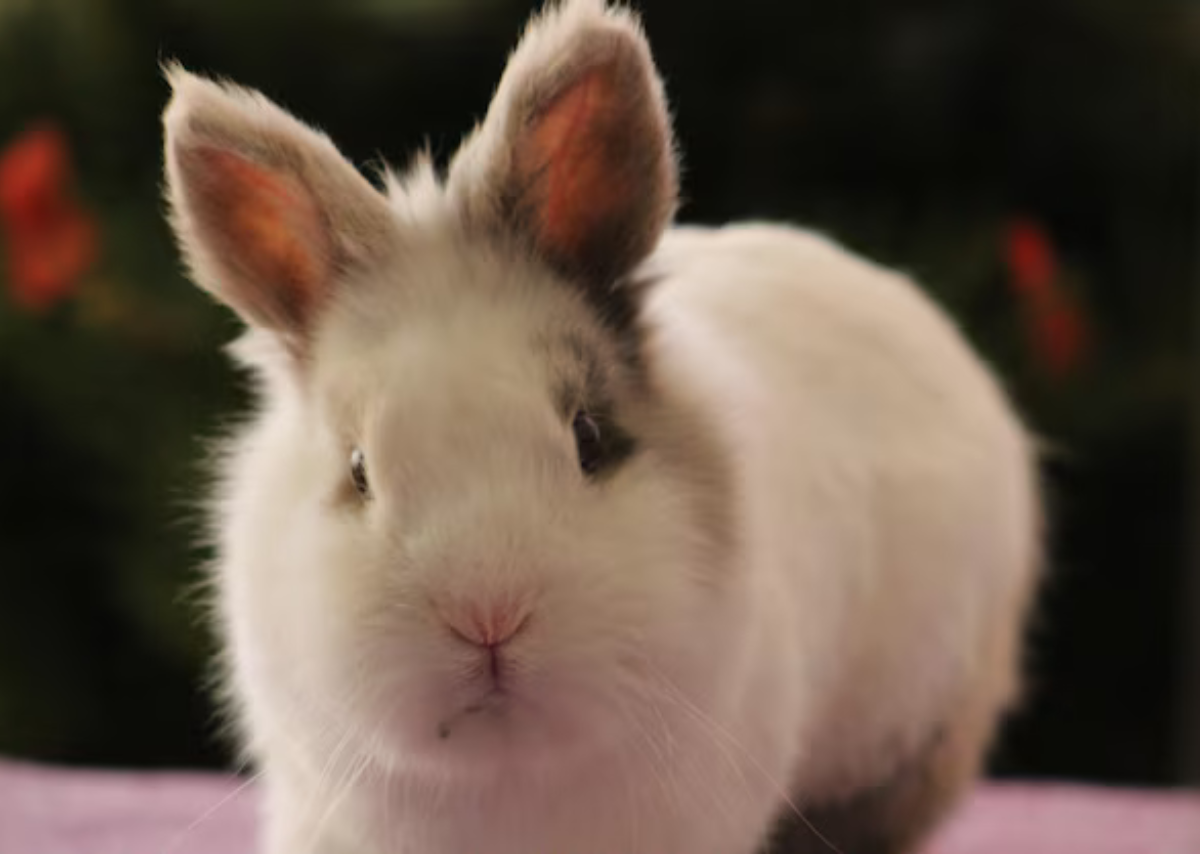
Netherland Dwarf Rabbit is a breed of rabbits that are the smallest and have weights ranging between 1-2.5 pounds in weight and have a height of 2-4 inches. These are bunnies whose bodies are terribly small, their faces are also rounded and have massive large eyes which make them extremely adorable. They sport short dense fur which does not demand a lot of grooming as opposed to long haired breeds. Their ears are small and erect making them look cute.
Temperament and Personality.
Netherland Dwarf Rabbits are not shy or timid although they are small. They inquire, amusing and tend to be loving towards their masters. Nevertheless, they can be less dependent or shy in the beginning than other breeds. When socialized and taken care of, such rabbits may become loving companions, which are pleasant to their owners to interact with. Nevertheless, it is worth mentioning that their characters may differ as some of them may be more relaxed and others more active.
Essential Care for Your Netherland Dwarf Rabbit
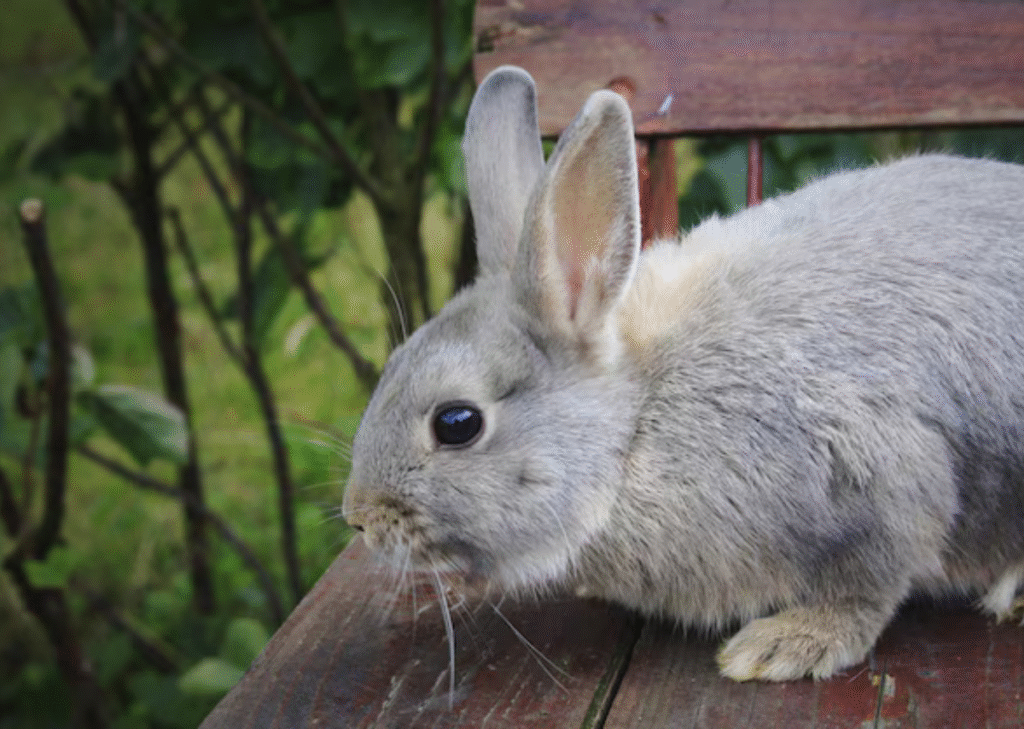
Housing and Living Space
In as far as housing is concerned, the Netherland Dwarf Rabbits should have an adequate space to move about and play. Although they are small in size, they need to have a big cage or playpen, so that they do not suffer. The size of the cage that is recommended to be used by a single rabbit is 4 times their length. A comfortable and hygienic environment should be provided by lining it with soft bedding material e.g. hay.
Also, make sure that you have at least two hours a day when you are free to wander in an area safe to your rabbit. They should be allowed the freedom to play in a rabbit-proofed room or a playpen.
Grooming and Hygiene
Netherland Dwarf Rabbits are not very difficult to groom because they have short fur. Have them brushed once or twice a week to clear the hairy stuff off them, to avoid hair balls and hair mats. Rabbits are clean animals by nature and they love to groom themselves, although brushing every now and then will ensure that they are always presentable.
Their nails should be trimmed after every few weeks and the living place of the animal should be clean in order to avoid the accumulation of odors and to maintain a healthy environment. Cleaning of the litter box should be done regularly in order to prevent health problems.
Diet and Nutrition for Netherland Dwarf Rabbits

Hay: The Core of Their Diet
A well balanced diet is important to your Netherland Dwarf Rabbit. Their diet should consist of hay which helps in proper digestion and avoids obesity. Hay with high fiber such as timothy hay is best. Hay should be made unlimited at all times. Hay also serves to grind their teeth that are ever growing, and it does not make them overgrown and cause health complications.
Fresh Vegetables
Besides hay, you are supposed to feed your Netherland Dwarf Rabbit on a variety of fresh vegetables in a day. All great choices are leafy greens such as romaine lettuce, parsley and cilantro and dandelion greens. High-oxalate vegetables such as spinach are to be fed sparingly. The fresh vegetables are vital sources of vitamins and minerals to their health.
Pellets
Although hay and vegetables are the largest part of the diet of your rabbit, high-quality rabbit pellets can be added to it as well. Make sure that the type of pellets used is specifically made to feed dwarf rabbits, as they are the ones that have the proper proportion of pellet nutrients that feed small breeds. Nevertheless, they should be fed on pellets that are limited to approximately 10-15 percent to prevent obesity.
Fresh Water
Fresh water should be given to your Netherland Dwarf Rabbit at all times. You may give water in a bowl or bottle, but make sure that it is replaced daily to be clean.
Common Health Issues in Netherland Dwarf Rabbits
Dental Problems
Netherland Dwarf Rabbits are likely to have dental problems due to the ever-increasing size of their teeth. Otherwise, their teeth may grow excessively and, therefore, lead to discomfort and even serious health issues. To prevent dental problems, it is best to provide the pets with chew toys and high-fiber hay so that they can exercise their natural chewing.
Obesity
Due to their size, Netherland Dwarf Rabbits have a tendency of being obese, particularly when they are fed on excessively with pellets, or when they lack exercise. To prevent obesity, make sure that they exercise properly outside their cage and are very careful with their diet, particularly in relation to the high end foods.
Gastrointestinal Stasis
Gastrointestinal stasis is an issue that rabbits are prone to, which is a situation in which their digestive system becomes sluggish or ceases to function. They can also be the result of stress, the absence of fiber in the diet, or some changes in their routine. Indications of the gastrointestinal stasis can be absence of appetite, lack of energy or unusual stool. In case you suspect that your rabbit has this condition, then consult your veterinarian.
Conclusion:
Being a owner of a Netherland Dwarf Rabbit can be a most rewarding process that can bring with it companionship and happiness in a little package. They are adorable in their looks, mischievous in nature, and can fit well into the home of any person or family, especially people with limited space. With the knowledge of what a Netherland Dwarf Rabbit requires, i.e. dietary food, living quarters and grooming, you will be able to offer a healthy and happy life to the Dwarf Rabbit. Give them the proper care, attention and exercise and help them to grow through all the years.
FAQs about Netherland Dwarf Rabbits
1. What is the life span of Netherland Dwarf rabbits?
Netherland Dwarf Rabbits have an average life of 7-10 years when well taken care of. Others can live even more with good living conditions and delicious food.
2. Are Dwarf Rabbits of the Netherlands good pets to children?
Yes, Netherland Dwarf Rabbits can be great pets of children but they must be treated carefully. They are tiny and sensitive and therefore, children in their early years must be closely monitored when handling them. A positive experience of the rabbit and the child means a lot of early socialization and handling of the animal.
3. Is it possible to maintain a Netherland Dwarf Rabbit in the company?
Netherland Dwarf Rabbits can coexist with other rabbits though it is important to introduce properly. Rabbits are territorial, and therefore, there needs to be introductory delay in a neutral area so that aggressiveness is not involved.
4. Which is the appropriate diet of a Netherland Dwarf Rabbit?
The ideal composition of a balanced diet of a Netherland Dwarf Rabbit is; mostly unlimited hay, fresh vegetables and a little of high quality pellets. There should be fresh water at all times.
5. What is the exercise requirement of a Netherland Dwarf Rabbit?
To stay healthy, Netherland Dwarf Rabbits need to be exercised on a daily basis outside of their cage. Give them not less than two hours daily in a safe, rabbit-free place to skip and romp.