Introduction
Among other duties that you can undertake as a pet owner, when it comes to owning a Persian cat, making sure that they get the right diet is one of the most urgent tasks that you can complete as a pet owner. Having such luxurious hair and nice temper, the Persian cats have their own needs in nutrition to be healthy, to control their weight and to keep their fur shining and beautiful. Nonetheless, there are too many choices in the market, and it is quite easy to get lost when it comes to picking the finest Persian cat food.
- Key Nutritional Needs for Persian Cats in 2025
- 1. High-Quality Animal Protein
- 2. Healthy Fats for a Shiny Coat
- 3. Fiber for Digestive Health
- 4. Vitamins and Minerals and General Wellbeing.
- 1. Wet Food (Canned Food)
- 2. Dry Food (Kibble)
- 3. Raw Food
- Factors to Consider When Choosing Persian Cat Food
- Recommended Persian Cat Food Brands
- Frequently Asked Questions
- Conclusion:
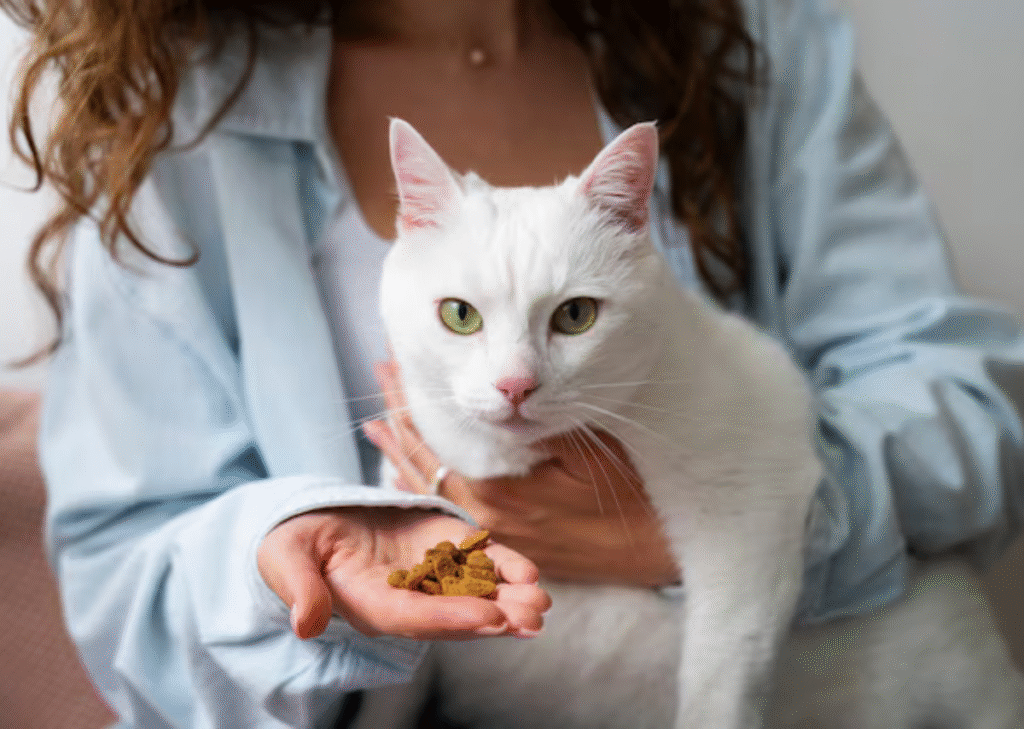
Key Nutritional Needs for Persian Cats in 2025
Persian cats have their particular nutritional requirements because of the peculiarities of their breed. These nutritional needs ought to be taken care of to make them healthy, happy and active. This knowledge of these needs will make you choose the optimal food to feed your Persian cat.
1. High-Quality Animal Protein
All cats including Persian cats are also in need of protein because they are more energetic and their large and sturdy bodies require a lot of energy. The Persian cats need animal proteins like chicken, turkey, or fish, to help them grow and develop their muscles, keep their coats healthy, and be generally active. High-protein diet is also conducive in preventing obesity which is a general issue with Persian cats following their inactive lifestyles.
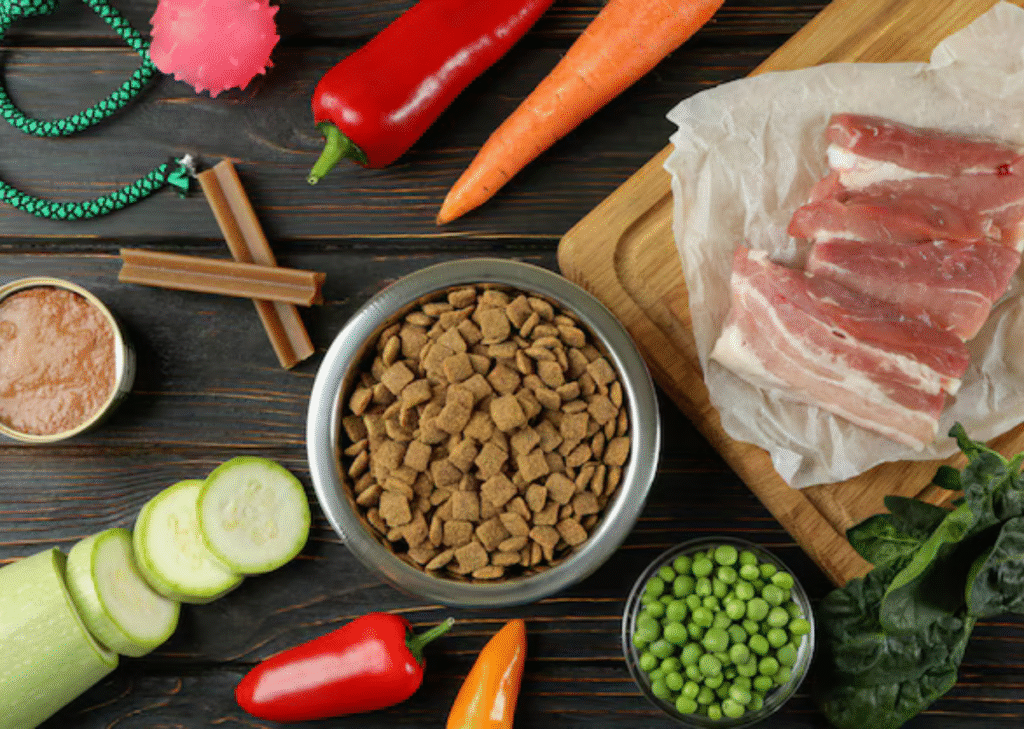
2. Healthy Fats for a Shiny Coat
Persian cats also have long beautiful fur, and healthy fats are in balance to ensure that a cat has a shiny coat. The deficiency of Omega-3 and Omega-6 fatty acids in ingredients such as fish oil, flaxseeds or chicken fat are also useful in keeping the skin and coat healthy. These are also healthy fats that aid in brain functioning and general immunity.
3. Fiber for Digestive Health
Persian cats are likely to have hairballs because of their long coats. High fiber diet may help prevent hairballs by aiding in digestion and making sure that the consumed hair is easily discharged through the digestive system. Fiber also maintains a healthy gut, which minimises the chances of becoming constipated, and other digestive complications prevalent among Persian cats.
4. Vitamins and Minerals and General Wellbeing.
Vitamins and minerals are essential to keep the immune system, bone structure and organ functioning of a Persian cat normal. The Persian cats especially should be offered Taurine, which is an essential amino acid as it helps in heart and eye well-being. Moreover, vitamins (A, E and D) and minerals (calcium and phosphorus) should be incorporated into the good diet.
Best Types of Food for Persian Cats: Wet, Dry, or Raw?
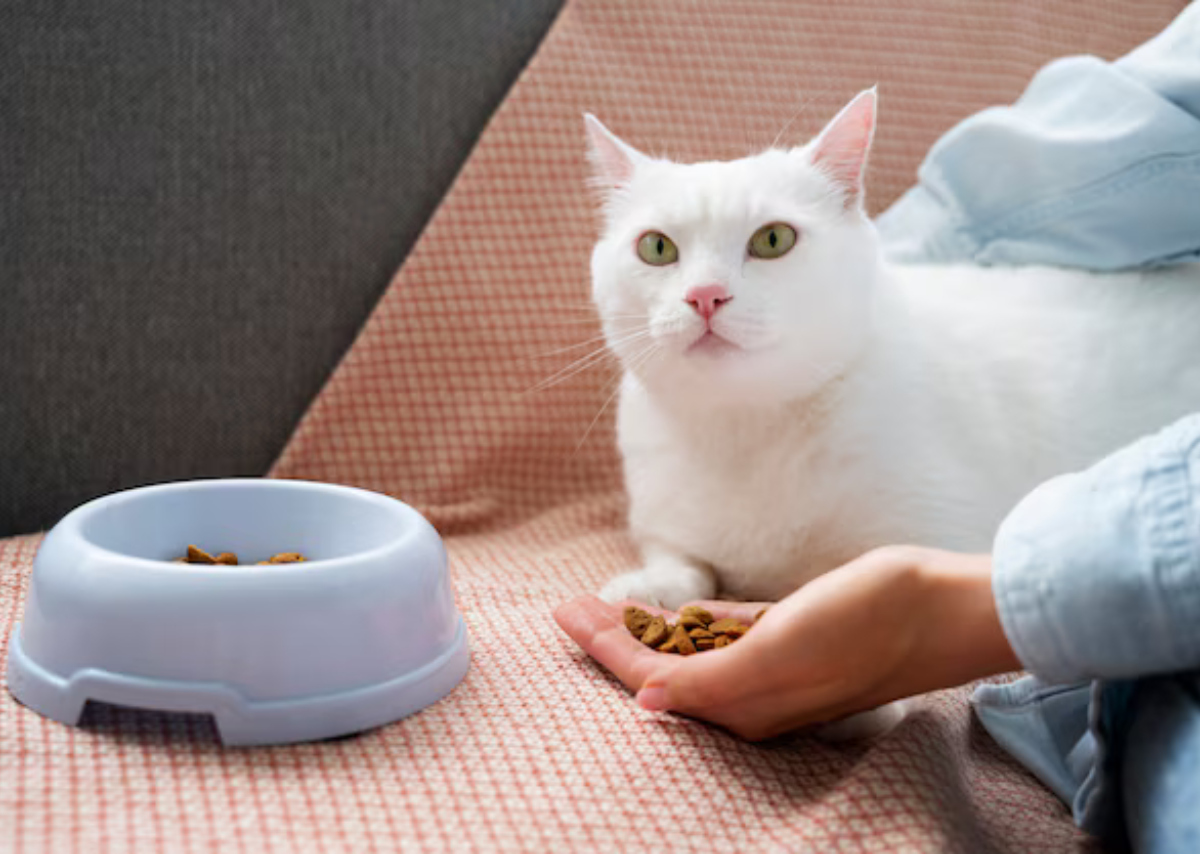
When choosing food to your Persian cat you have to decide on wet food, dry food, or raw food. Both options have advantages and disadvantages, therefore, it is critical to know what will suit your cat the most.
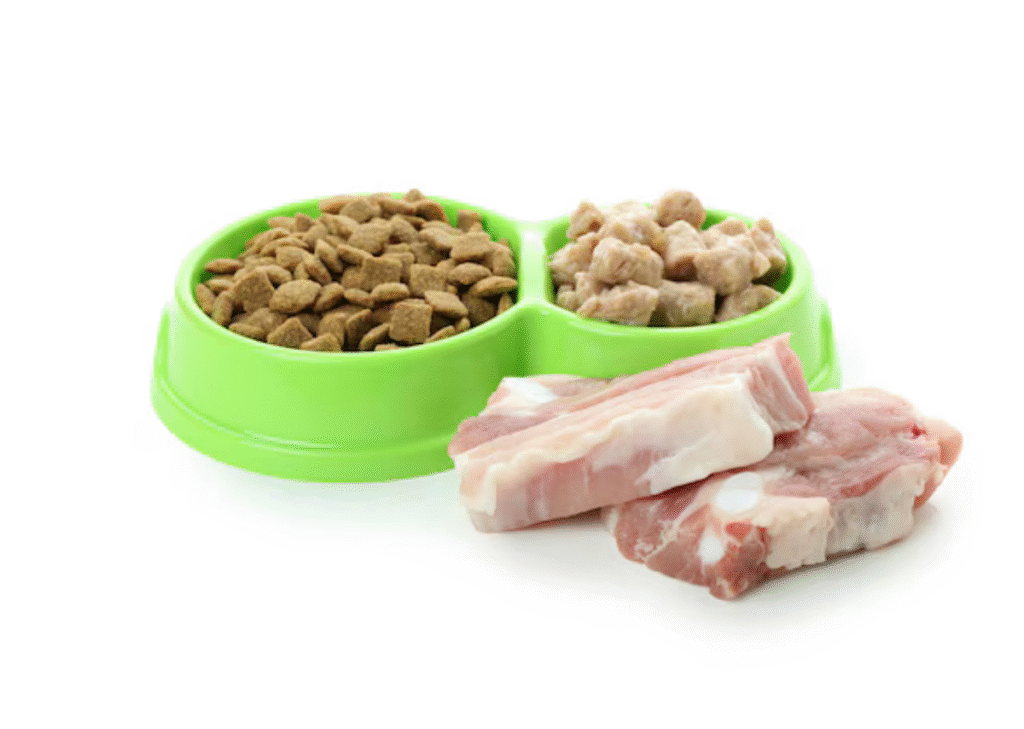
1. Wet Food (Canned Food)
Wet food is a great option of Persian cats as it is richer in moisture content which is essential in hydration and therefore wet food is important to cats who do not drink a lot of water. Persian cats with flat faces especially can also find it easier to eat because of the soft texture of wet food. Wet food is typically rich in protein and low in carbohydrates than dry food which helps in weight management.
Nevertheless, a negative aspect is the fact that wet food may add to the problem of dental problems because it does not make teeth clean. In order to balance wet food with other oral hygiene practices, it is important.
2. Dry Food (Kibble)
Dry food is easy to carry, it aids in the maintenance of the teeth by removing the tartar as well as being cheaper as compared to the wet food. Nonetheless, it usually has fewer proteins of animal origin and more carbohydrates which may not be the best with Persian cats that are likely to become obese. The kibble should be rich in protein and low in fillers, e.g. corn or wheat.
Dry food contains a small amount of moisture which is why you should make sure that your Persian cat drinks own water to avoid problems with urinary tract and dehydration.
3. Raw Food
Raw food is a replica of the natural diet of cats and it may offer the best nutrition. It is usually high in proteins and fats and contains no artificial preservatives. Raw food, however, needs a lot of care when preparing and preserving to prevent food poisoning, and it is costly.
It is also necessary to discuss the issue of healthy cat food with your veterinarian before switching to a raw food diet since the diet should be well-balanced and safe.
Factors to Consider When Choosing Persian Cat Food
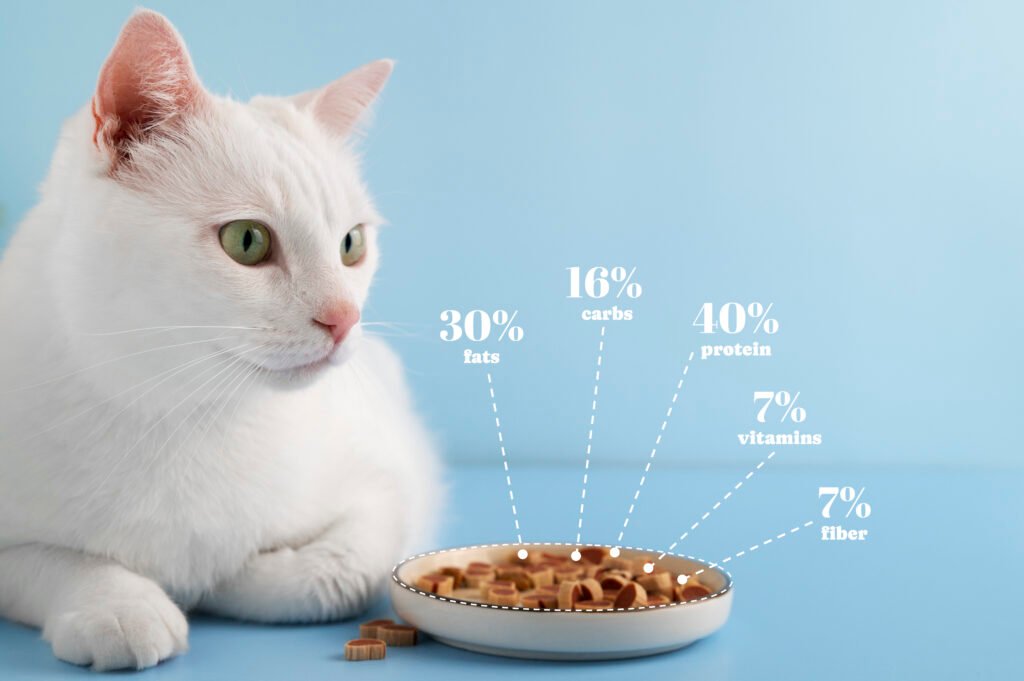
The following factors should be put into consideration when purchasing Persian cat food in order to find the most suitable one when shopping:
1. Age of Your Persian Cat
Different types of cats such as kittens, adult cats, and old aged Persian cats have various nutritional needs. Kittens of Persian breed require more calories to develop whereas grown cats need quality balanced diet to keep a healthy weight. Older Persian cats might be on special diets to treat such ailments as joint arthritis or kidney disease.
2. Health Conditions
In case your Persian cat has any health issues (food allergies, kidney issues, or is overweight), then it is vital to select a food that would cater to its needs. There are specially designed diets which are offered to the cats with many health problems and they are given the right nutrients without being made any worse.
3. Brand Reputation
The most important thing is that one should select a well-known brand that puts a high value on quality products and ethical production. Seek brands that are open with their ingredients and those whose products are produced on natural high quality ingredients.
4. Taste and Texture Preferences.
The Persian cats are also a fussy cat breed and therefore one should ensure that they eat something that they like. There are cats, which like wet, and those that like dry food. Taste a variety of flavors and textures to learn what your Persian cat likes most.
Recommended Persian Cat Food Brands
The following are the best rated cat food brands that would help to satisfy the needs of the Persian cats:
Royal Canin Persian Formula: It is a brand of Persian cat-specific formula that is aimed at the condition of the coat, digestion, and well-being.
• Science Diet by Hill: This is a brand that is characterized by the content of its ingredients and the scientific composition of the products, as well as the range of choices which include those of Persian cats with specific health care.
• Wellness CORE: This is a meat-free, high-protein food that is a good substitute to Persian cats that are susceptible to weight gain because it has high-quality sources of proteins, such as turkey and chicken.
•Orijen: This product is a biologically appropriate food that is based on natural diet of a Persian cat which uses fresh and regionally grown ingredients to form a protein-rich diet.

Frequently Asked Questions
1. What and how often should I feed my Persian cat?
The size and age of your persian cat will determine the amount you are supposed to feed the cat. The average adult Persian cat needs an average of 250-300 calories a day. In the case of the food packaging you should always stick to the feeding instructions and then make adjustments according to the needs of your cat.
2. Is it possible to feed Persian cat human food?
Though cats can eat certain human foods, they should not be fed human food on a regular basis. Some foods are also toxic to cats such as chocolate, onions and garlic. It is always recommended that you consult your veterinarian before adding new foods in the diet of your cat.
3. Does Persian cat food prefer wet food over dry food?
Wet and dry food have their advantages, whereas wet food is more appropriate to Persian cats because it is rich in moisture that helps to keep them hydrated. But there are dental issues that can be assisted using dry food. A combination of both is also preferred by many owners.
4. What can I do to keep my Persian cat off hairballs?
The solution is to eat food with more fiber in it to avoid hairballs. Hairballs can be minimized by grooming your Persian cat and feeding him a well-balanced diet on a regular basis.
5. Is Persian cats grain free food good?
Persian cats with food sensitivities can be well fed on grain-free food. Nevertheless, grain-free food is not necessary to all Persian cats. Ask your vet to tell you what food meets the needs of your cat.
Conclusion:
It is essential to choose the most suitable Persian cat food and to make them healthy and happy. With the selection of the healthiest sources of protein, fats, and fiber-rich foods, the Persian cat will stay in the shiny coat, with the right weight and healthy digestion. You should always take into account the age of your cat, its health status and the preferences of its taste when choosing the food. No matter which option you choose (wet, dry or raw), you can make sure the food satisfies the nutritional requirements of the Persian cat. See your veterinarian on a regular basis to check on the diet of your cat and to adapt it to an optimum health level.