Introduction
One of the most well-known and widely popular cat breeds in the world is a Persian cat, which is known by its long and luxuriant coat, and a relatively peaceful and quiet demeanor. Above all, this breed is of Persian origin (present-day Iran) and has had many cat lovers over the centuries. Persian cats are characterized by their round faces, big eyes and soft flowing hair which should be groomed regularly.

History of Persian Cats: Where Did They Come From?
The history of the Persian cat goes back to more than 2,000 years. Their origin can be traced to Persia (present-day Iran) and they were valued because of their graceful looks and frequently owned by the royalty and aristocrats. The breed arrived in Europe in the 1600s and it was absorbed by the upper society very fast. Persian cats have been breeding over the centuries with the most notable changes in the round face and the thick coat. The Persian cats are still among the most popular and demanded breeds in the world today.
Physical Characteristics of Persian Cats
Coat and Fur
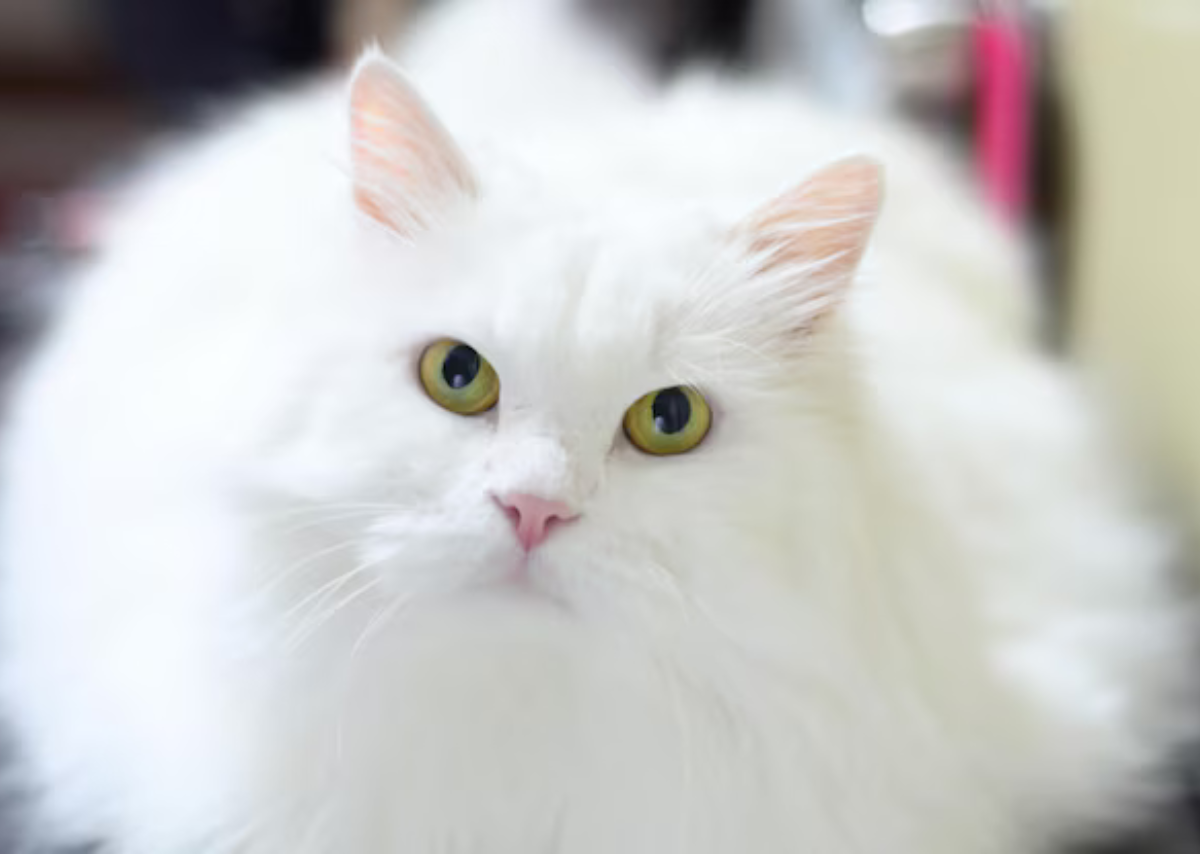
The next most notable thing about the Persian cat is the long and beautiful coat. The fur of the Persian cats is thick and soft and needs to be groomed regularly. The coat is available in some colors and designs which include solid, tabby, and bicolor. Persian cats also have long fur and thus they tend to mat hence it is important to brush their hair regularly in order to maintain their hair in a good condition.
Face and Eyes
Another characteristic of the Persian cat is its face. They possess a round, flat face with big and expressive eyes. The breed is known by its repugnant doll like look, with an overabundant nose and apple cheeks. Their eye color is of various kinds in most cases matching the color of the coat.
Size and Body Structure
Persian cats are medium or large-sized cats whose bodies are strong and muscular. They are solid, strong looking with short and thick legs and large chests. Although they are large, they are relatively slow and instead of jumping or climbing they like lying around.
Personality and Temperament of Persian Cats
Calm and Affectionate Nature
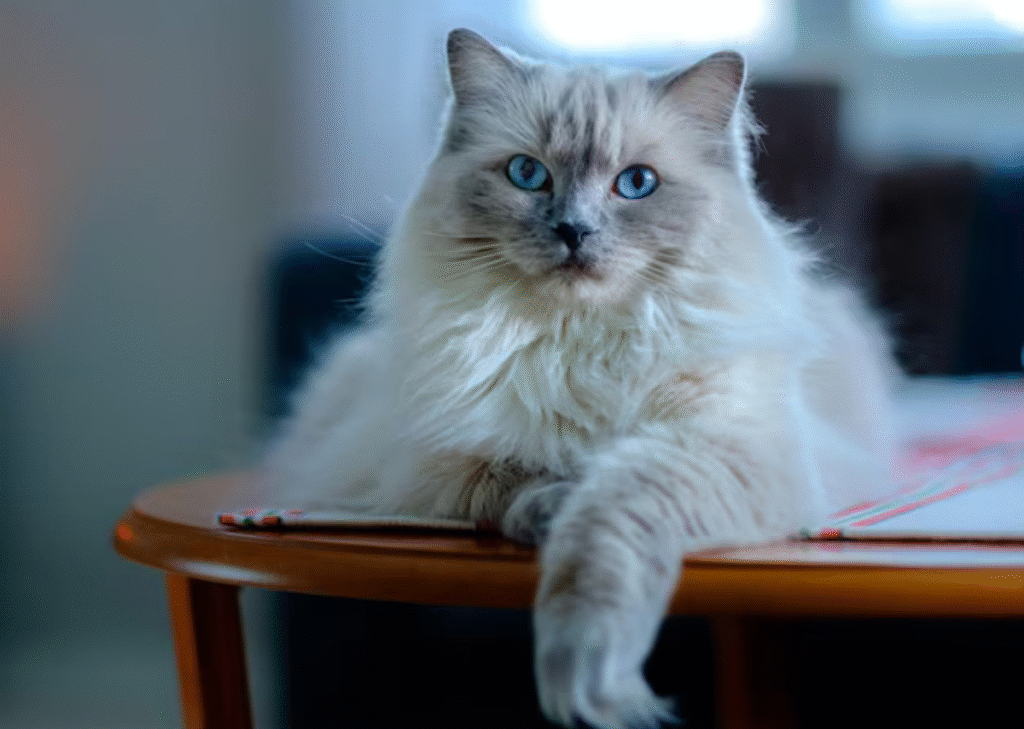
Persian cats are characterized to be peaceful, easy-going. They are sometimes said to be lap cats since they like cuddling and being with their owners. Persian cats though gentle are not demanding, and are happy to sleep most of the day in the house. They are loving yet not clingy thus are a perfect fit to a family or a person who wants an easy-to-take-care-of companion.
Quiet and Independent
Persian cats are quite quiet contrary to a number of other breeds that do not necessarily mew too much. They do not depend and although they like the company of the owners, they can also entertain themselves without the owners always being attentive. This renders them to be excellent pets to individuals with hectic schedules or are not much of a noise maker at home.
Care and Maintenance of Persian Cats
Grooming Requirements
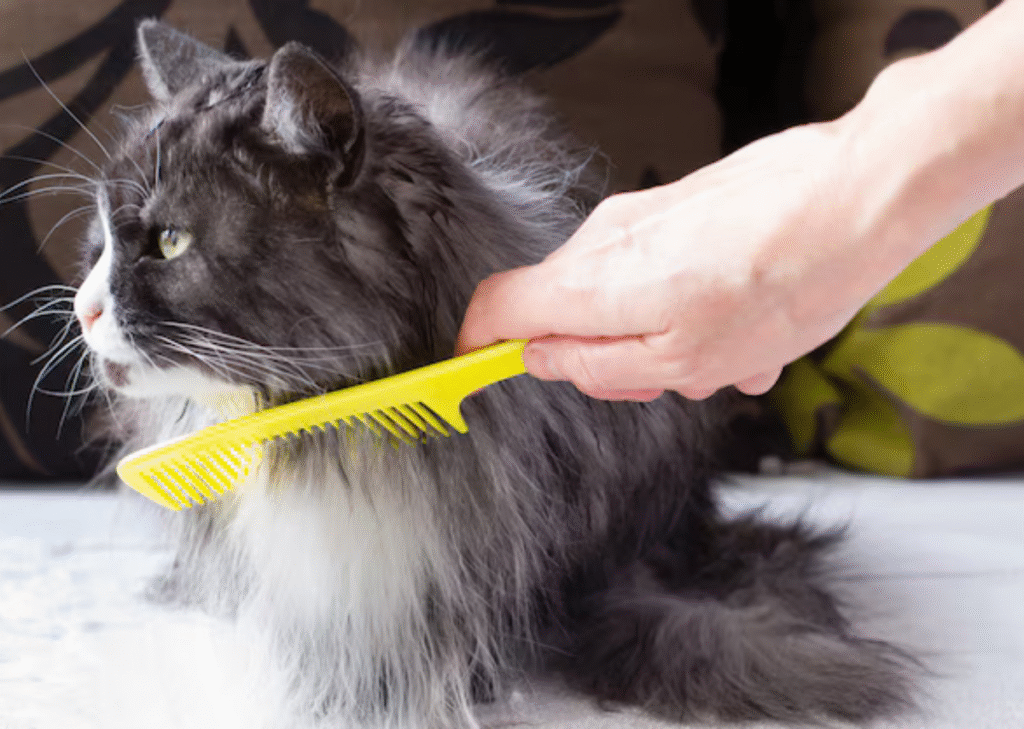
Persian cats have a long and luxurious coat making them to be groomed regularly so that their fur does not mat. You are advised to brush your Persian cat everyday in order to maintain clean and tangles free fur. Frequent grooming is also used in shedding reduction and prevention of hairballs.
Regular eye cleaning is also necessary besides brushing since Persian cats are likely to be stained by tears. Gently wiping their eyes with a soft damp cloth on a daily basis is advisable. They should be bathed after every 4-6 weeks in order to maintain the fur clean and soft.
Diet and Nutrition
The diet should be balanced with the health of Persian cats. They will have a shiny coat, and a healthy body with high-quality cat food with lots of protein and essential nutrients. There are Persian cats which have problems with their teeth and therefore they should be given dental care in the form of foods, toys or by brushing.
Health Concerns
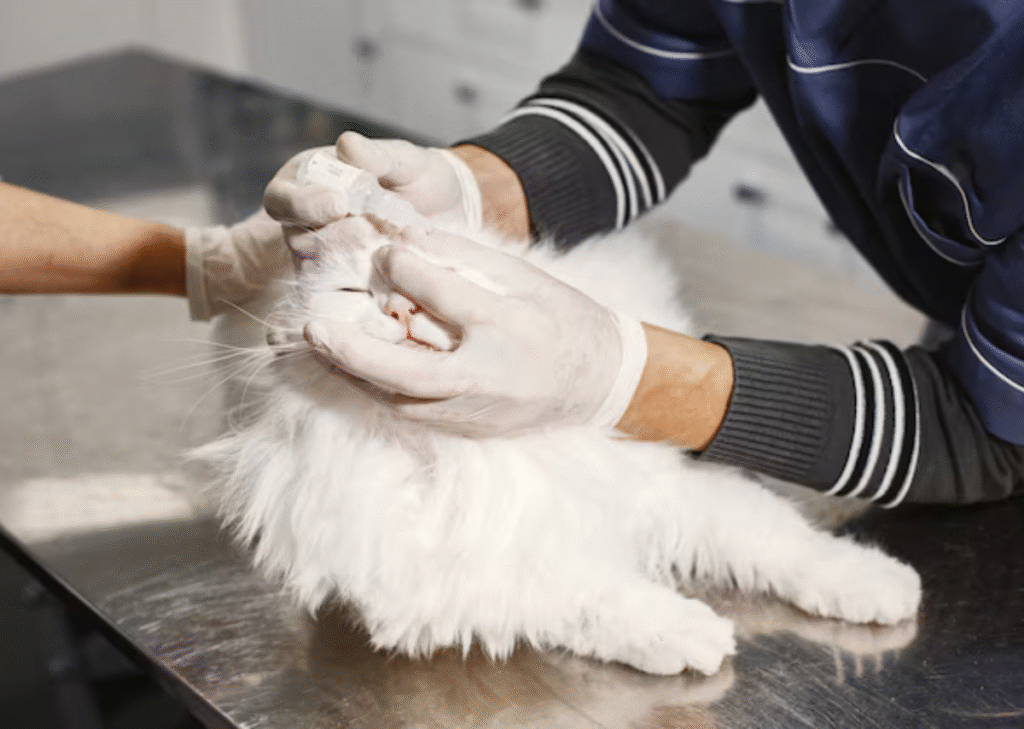
Persian cats just like many purebred cats are susceptible to some health problems. These can be respiratory complications because of their flat faces (brachycephalic), dental problems, and kidney disease. Your Persian cat should have regular check-ups at the veterinary clinic to be sure that it is healthy and to have relevant vaccinations.
Is a Persian Cat Right for You?
Persian cats are considered to be beautiful and peaceful, but still, they need some sort of attention. Potential owners of cats must be ready to take the time to groom and maintain them. Persian cats are the right choice when one wants to have a loving, quiet companion and can invest time and effort to tend to the needs of their cat. In case you need a high-maintenance yet affectionate pet, Persian cat may be what you need.
FAQs About Persian Cats
1. How long do Persian cats live?
The life expectancy of the Persian cats is 1216 years. In good hands, certain Persian cats will live even more. Healthy diet and frequent visits to the vet helps to save on their lifespan.
2. Do Persian cats shed a lot?
Yes, Persian cats shed, although the hair is long, and thus the hair traps the shedding fur hence they may not shed as much as short haired cats do. Shedding can be controlled by regular grooming.
3. Are Persian cats friendly with children and other pets?
Persian cats usually are friendly with children and other pets especially when they are exposed at an early age. They would be the best companions to families due to their peaceful and quiet nature.
4. Do Persian cats respond to training?
The Persian cats are intelligent and are not easily trained as other breeds. They do not have a very good reputation when it comes to being very playful but, they do manage to train to use a litter box and basic obedience commands.
5. Are Persian cats very demanding?
Persian cats are loving yet they are independent. They are good to be with their owners but do not need to be treated too much. They are perfect when an individual would prefer to have a companion without necessarily having to be in constant contact with him or her.
6. What are the usual health problems of Persian cats?
Persian cats are also vulnerable to some health diseases, including respiratory illnesses since they have flat faces, kidney diseases and dental. They should be checked by a vet regularly in order to make sure they are healthy.
7. What is the extent of grooming of Persian cats?
Persian cats need to be groomed on a regular basis, preferably daily, so that their long fur does not end up matting. They should also have their eyes washed regularly to avoid tears stains. It is also advised to take a bath at least 4 to 6 times in a year.
8. How much is the Persian cat?
The price of a Persian cat may be different, and depends on such aspects like pedigree, place and breeder. The average Persian cat will cost between 500 and 5,000 in price.
Conclusion:
Persian cat is a historic breed that is characterized by its beauty, kind temper and easy-going character. They are easy to maintain and groom but their warm demeanor and graceful look makes them one of the most preferred breeds of cats in the world. A Persian cat may be a great company many years, provided you are ready to spend time and efforts to take care of it. The Persian cat will bring happiness and class to any household, either as a first-time cat owner or an expert cat lover.